Home Blog Page 161

Iran’s Hardline Power Grab Betrays Growing Vulnerability, Desperation

0
Iran’s Hardline Power Grab Betrays Growing Vulnerability, Desperation


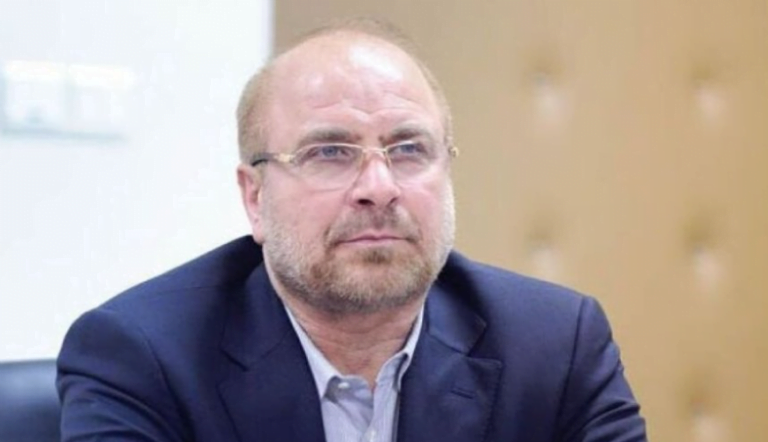
In the last week of May, the Iranian parliament elected its new speaker, Mohammad Bagher Ghalibaf. It was a major career move for someone who played numerous roles in the Islamic Revolutionary Guard Corps (IRGC), dating back to 1982, before serving for 12 years as the mayor of Tehran. It was also the latest example of growing dominance of Iran’s government institutions by the IRGC and other hardline entities.

In a sense, Ghalibaf’s election was inevitable. He had the support of Supreme Leader Ali Khamenei, who wields absolute power over matters of state.

The current makeup of the legislative body was determined in February when the Islamic Republic held national elections.


Although government authorities routinely praise such elections as symbols of popular, democratic support for the theocratic system, the reality is that genuine alternatives have been barred from the process since the immediate aftermath of the 1979 revolution.


And more than that, voices of opposition have been variously suppressed in ordinary society, as well, often with fatal consequences.


After seizing power, the mullahs were quick to suppress any opposition. And less than a year later, as they faced a rising tide of pro-democracy activism led by the People’s Mojahedin Organization of Iran (PMOI or MEK), the authorities attempted to brutally suppress that group.


In the summer of 1988, political prisoners throughout Iran were pulled from their cells and brought before tribunals to answer questions about their ideological affiliations and their loyalty to the clerical system.


Those who failed to appease the judges were summarily executed, and the vast majority of the 30,000 victims turned out to be members of the PMOI.

This is not to say that the regime succeeded in erasing factionalism from Iranian politics. Rather, it confined mainstream political discourse to a narrow range of ideologies and began to trade between so-called reformists and hardliners throughout the life of the regime.


Read More


Also Read: Iran ‘imposed its will’ with Venezuela fuel shipment: Top general
Iran ‘imposed its will’ with Venezuela fuel shipment: Top general

0
Iran imposed its will with Venezuela fuel shipment Top general
Iran ‘imposed its will’ with Venezuela fuel shipment: Top general


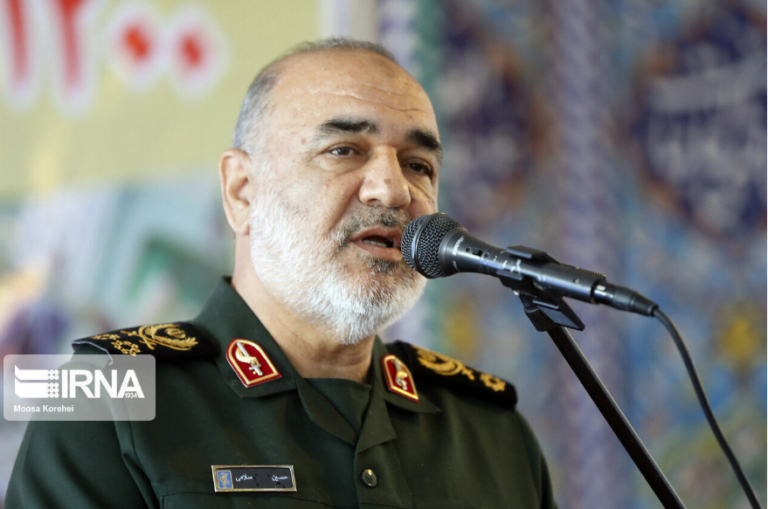
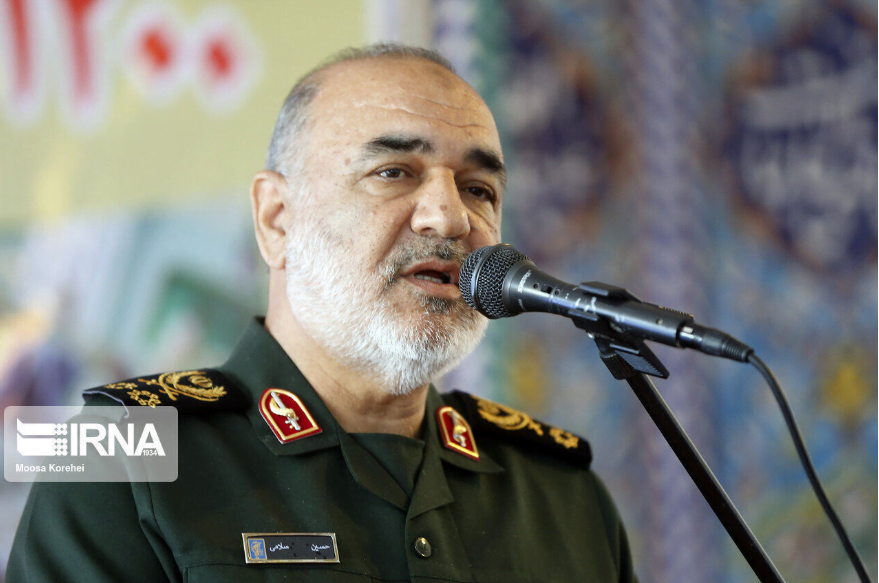
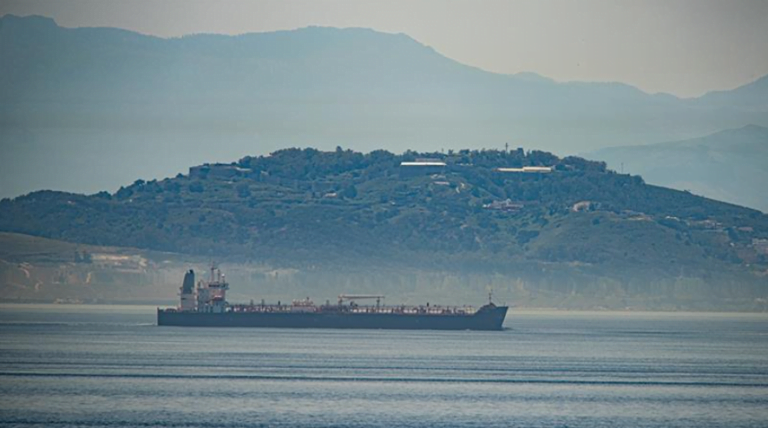
The commander of the Revolutionary Guard said Iran “imposed its will” after sending fuel tankers to Venezuela and denounced the United States as a fading world power.


Major-General Hossein Salami said despite crippling American sanctions, Iran was still able to supply its ally Caracas with crucial petrol products last month. Venezuela


Salami also chided the United States for its handling of the coronavirus pandemic and the protests over African American George Floyd, who was killed during an arrest by a police officer, in comments on Wednesday.


The Islamic Republic is “breaking the back of the enemies”, he said.


“By God’s grace, today we are witnessing the early and rapid decline of our archenemies, particularly the US. All of the symbols with which the US was presenting itself and was displaying an untrue image to the world are falling, and the US is tearing apart the image it had created about itself,” said Salami.


“Unable to contain the coronavirus, the US is today in the worst economic conditions.” Venezuela

Brink of war Venezuela

Tensions between longtime foes Iran and the US have spiked since 2018, when President Donald Trump exited Iran’s 2015 nuclear deal with six major world powers and reimposed sanctions on the country that have battered its economy. ezuela


Read More


Also Read: What Iran’s Military Journals Reveal About the Goals of the Quds Force

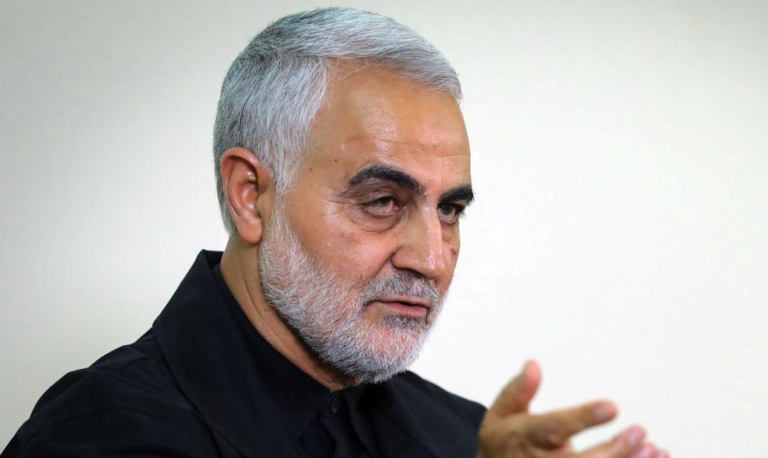
Things got worse when Major-General Qassem Soleimani, the previous head of the IRGC’s elite Quds Force, was killed in a US drone attack in Iraq on January 3 near Baghdad’s airport. Washington blamed the general for masterminding attacks by Iran-aligned militias on US forces in the region. Venezuela Soleimani’s killing brought Iran and the United States to the brink of war. Tehran retaliated with a rocket attack on an Iraqi airbase where US forces were stationed. 

What Iran’s Military Journals Reveal About the Goals of the Quds Force

0
What Iran’s Military Journals Reveal About the Goals of the Quds Force


To what extent are the internal deliberations of the Islamic Revolutionary Guard Corps’ expeditionary Quds Force reflected in military journals published in Iran?


A pilot survey of the complete series of two journals published by the IRGC Imam Hussein University provides limited but valuable information.


Since its establishment in 1986, the university has gradually developed into the academic backbone of the IRGC. Today, it boasts 31 peer-reviewed journals, almost one for each postgraduate program offered. Among the journals, the Siasat-e Defaee (Defense Policy, published since 1991) and Afaq-e Amniat (Security Horizon, published since 2010), quarterlies are dedicated to strategic issues.


Among hundreds of articles published in these journals over the years, only 10 articles address regional security issues involving Shia communities and armed militias in a substantive way.


Since regional security falls under the portfolio of the Quds Force, and most of the authors are faculty members at the university, one can cautiously assume that the articles, to some extent, reflect the internal deliberations of the organization.


Between 1991 and the attacks of September 11, 2001, Siasat-e Defaee did not publish anything referring to the Quds Force or, for that matter, the concept of asymmetric warfare. That changed in the wake of the U.S.-led invasion of Afghanistan in 2001, and in particular, after the 2003 invasion of Iraq.


The first empirical analysis with specific reference to allies and proxies of the Quds Force appeared in the Autumn 2008 edition of Siasat-e Defaee.


Here, the authors discussed how the Islamic Republic, through its influence among the Iraqi Shia, had managed to turn the threat of the U.S. military presence in Iraq into an opportunity.


The Winter 2013 edition of Afaq-e Amniat went as far as describing Shia communities in the Gulf region and beyond as a “deterrent network.” Elaborating on the same idea, an article published in the Winter 2013 Siasat-e Defaee claimed Iran’s substate allies and proxies are on par with the deterrent force of Iran’s arsenal of cruise and ballistic missiles.


The Winter 2015 article on Lebanese Hezbollah and the Winter 2017 article on Yemen’s Ansar Allah advanced similar arguments.


An assistant professor at the university, Hossein Baqeri, offered a most accurate analysis of ethno-sectarian political dynamics in Iraq and its implication for Iran’s security in the Autumn 2013 edition of Afaq-e Amniat, while providing deeper insights into the Quds Force’s internal deliberations.


Read More


Also Read: Iran’s Guards Poised To Enter Country’s $15 Billion Auto Industry

Iran’s Guards Poised To Enter Country’s $15 Billion Auto Industry

0
Iran's Guards Poised To Enter Country's $15 Billion Auto Industry
Iran’s Guards Poised To Enter Country’s $15 Billion Auto Industry


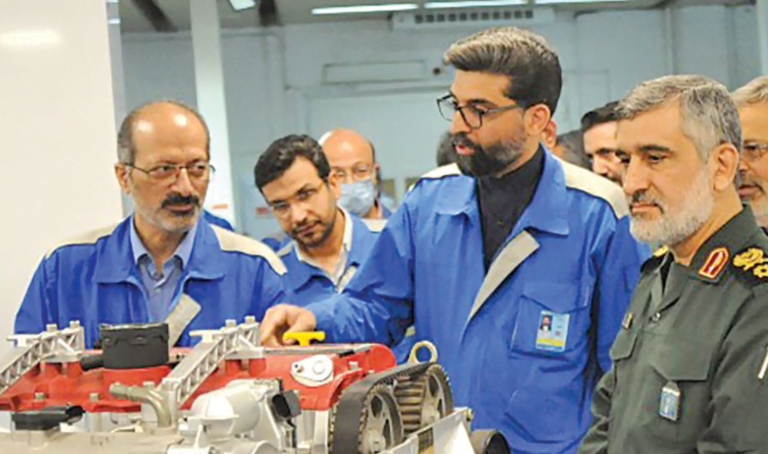
The Chief-Commander of the Islamic Revolution Guards Corps’ (IRGC) Aerospace Force, Brigadier General Amir Ali Hajizadeh, said on Tuesday, June 9, that the IRGC will transfer its research experiences to the automotive industry.


In January 2018, Iran’s Supreme Leader Ali Khmenei had ordered the IRGC to reduce its role in the country’s economy. Similar pronouncements were also made in 2019.


The IRGC has a sprawling economic empire in Iran, controlling or having a stake in more than half of all businesses by some accounts.


At the end of the meeting with the caretaker of the Iranian Ministry of Industry, Mines and Trade (MIMT) and managing directors of the local automotive industry on Tuesday, Hajizadeh maintained that the IRGC’s aim is to transfer its knowhow and experience in research activities to Iran’s auto-making industry.


The caretaker of MIMT, Hossein Modarres Khiabani, for his part said at the end of the meeting that the IRGC’s automotive industry-related technology and facilities in the field of missiles would be used in the local auto manufacturing.


While referring to the Islamic Republic Supreme Leader’s (Ayatollah Ali Khamenei) recent comments on defense and auto-making industries, Hajizadeh insisted that such remarks make the IRGC duty-bound to act.


On May 6, Ayatollah Khamenei had stated, “The mind and thought that can produce a satellite” can also produce a “vehicle using five liters (about 1.3 US gallons) of gasoline per hundred kilometers (approximately 62 miles).”


Iran’s auto industry, already suffering from outdated technology, mismanagement and corruption, has been crippled by U.S. sanctions that have stopped collaboration with French and other automakers. The car makers owe government banks billion of dollars.


Read More


Also Read: Unrealistic images of US falling, IRGC commander says

The Chief-Commander of the Islamic Revolution Guards Corps’ (IRGC) Aerospace Force, Brigadier General Amir Ali Hajizadeh, said on Tuesday, June 9.

Unrealistic images of US falling, IRGC commander says

0
Unrealistic images of US falling, IRGC commander says
                                   Unrealistic images of US falling, IRGC commander says


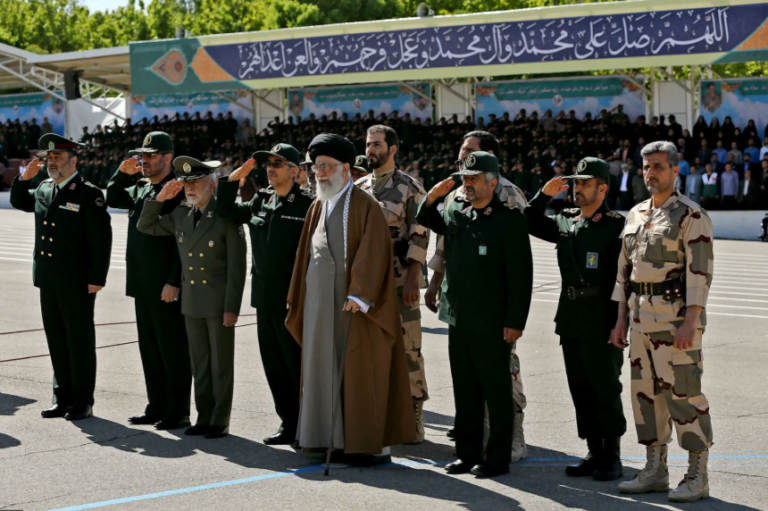
Commander of the Islamic Revolution Guard Corps Major General Hossein Salami on Wednesday said that all unrealistic symbols that the United States was introducing are falling apart.


The US is tearing apart the image it has created of itself; he said, adding that the country has presented itself with appealing concepts, but those painful realities of American society are being disclosed.


They saw themselves as the cradle of freedom, authority, as well as human rights, but all the symbols have disappeared.


Read More


Also Read: Iran to execute its citizen who spied on military commander Qassem Soleimani for the US

Commander of the Islamic Revolution Guard Corps IRGC Major General Mr Hossein Salami on Wednesday said that all unrealistic symbols that the United States was introducing are falling apart. The US is tearing apart the image it has created of itself; he said, adding that the country has presented itself with appealing concepts, but those painful realities of American society are being disclosed. They saw themselves as the cradle of freedom, authority, as well as human rights, but all the symbols have disappeared.
Commander of the Islamic Revolution Guard Corps IRGC Mr General Hossein Salami on Wednesday said that all unrealistic symbols that the United States was introducing are falling apart. The US is tearing apart the image it has created of itself; he said, adding that the country has presented itself with appealing concepts, but those painful realities of American society are being disclosed. They saw themselves as the cradle of freedom, authority, as well as human rights, but all the symbols have disappeared. Commander of the Islamic Revolution Guard Corps Major General Hossein Salami on Wednesday said that all unrealistic symbols that the United States was introducing are falling apart.  

The growing dispute between revolution and state in Iran

0
The growing dispute between revolution and state in Iran


On more than one occasion, I have mentioned the deep rifts between the Islamic Revolutionary Guard Corps (IRGC) and the regular army in Iran. These differences are as old as the regime itself and their root causes are Ruhollah Khomeini and Ali Khamenei. Both these leaders supported one of them and stigmatized the other as a traitor. In addition, they generously showered one of them with gifts and denied the other, even though the regular army is older and has more experience than the IRGC.


The primary reason behind Khomeini establishing the IRGC was his distrust of the regular army, because he feared that the existing military establishment was loyal to the former regime. As a result of this, he worked to marginalize the army. Despite the passage of several generations, this view of the army still prevails among Tehran’s leadership.


It is common knowledge that, although the army has approximately three times more personnel than the IRGC, its budget is only a third of that of the IRGC. It appears as if Khamenei, the supreme leader of the armed forces, has handed the IRGC control of the army’s budget. Revolutionary 


It is also widely known that the IRGC has been financially helped by the Iranian leadership to become a state within a state, being awarded investment and commercial contracts worth tens of billions of dollars. In addition, the IRGC’s tax-exempt status and other privileges have led to its affiliated economic enterprises out-competing and wiping out independent traders in Iran’s traditional bazaar. Revolutionary 


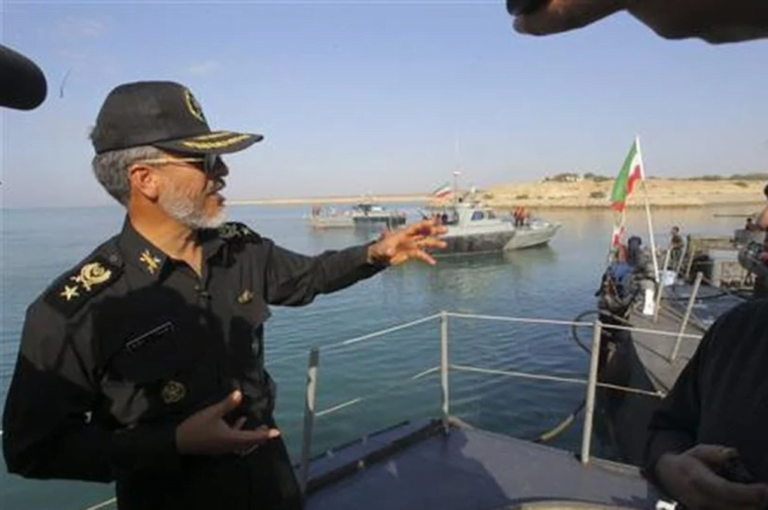
The IRNA, an Iranian state-run news agency, last week posted online a televised interview with Rear Adm. Habibollah Sayyari, the former chief of the Iranian navy and current coordinating deputy of the Iranian army. The revealing interview was quickly taken down again, without any reason being given or any announcement of its deletion. Despite this, nearly 13 minutes of the interview was saved and widely circulated. Revolutionary 

Also Read: Inside Iran’s massive drone army

Inside Iran’s massive drone army

Inside Iran's massive drone army
Inside Iran’s massive drone army


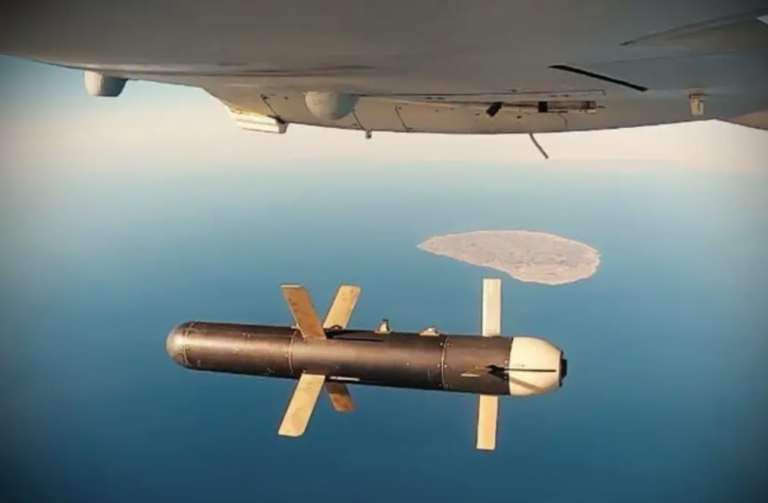
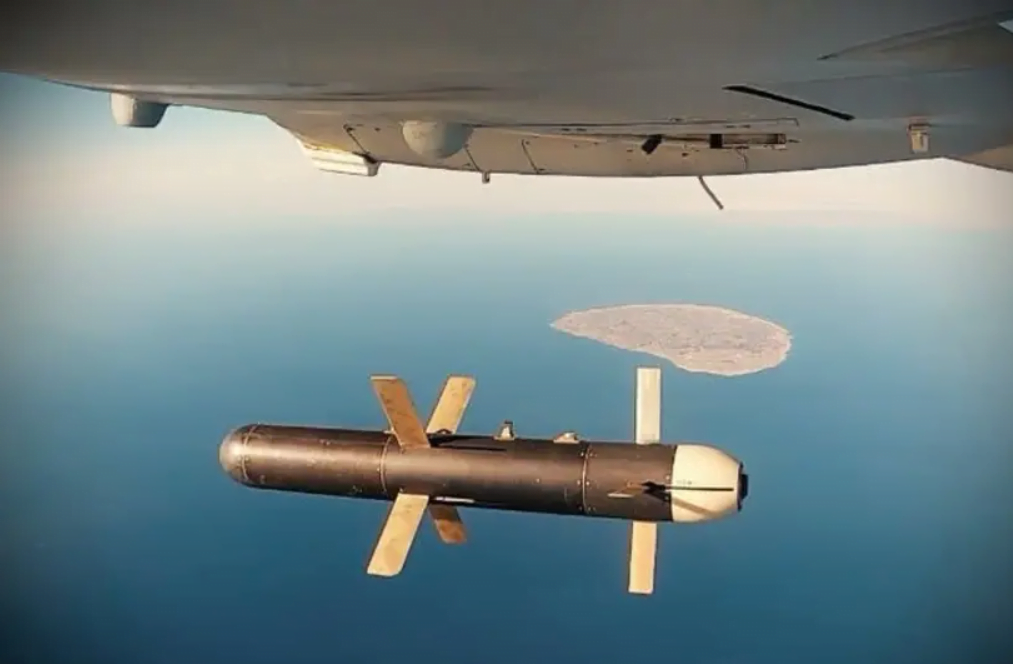
Iran has undergone a drone revolution and now possesses the largest fleet of combat drones in the Middle East, it’s media reported on Sunday.


The exclusive report takes a deep look into Iran’s drone history and provides insight into Iran’s emerging use of drones as a strategic weapon, one that it would like to use more against Israel, the US and other enemies.


In recent years, Iran has attacked Saudi Arabia last year, harassed US ships and flown a drone into Israeli airspace in 2018.


Read More


Also Read: Iran to execute its citizen who spied on military commander Qassem Soleimani for the US

Iran has undergone a drone revolution and now possesses the largest fleet of combat drones in the Middle East, it’s media reported on Sunday. The exclusive report takes a deep look into Iran’s drone history and provides insight into Iran’s emerging use of drones as a strategic weapon, one that it would like to use more against Israel, the US and other enemies. In recent years, Iran has  attacked Saudi Arabia last year, harassed US ships and flown a drones into Israeli airspace in 2018.Iran has undergone a drones revolution and now possesses the largest fleet of combat drones in the Middle East, it’s media reported on Sunday. The exclusive report takes a deep look into Iran’s drone history and provides insight into Iran’s emerging use of drones as a strategic weapon, one that it would like to use more against Israel, the US and other enemies. In recent years, Iran has  attacked Saudi Arabia last year, harassed US ships and flown drones into Israeli airspace in 2018.Iran has undergone a drones revolution and now possesses the largest fleet of combat drones in the Middle East, it’s media reported on Sunday.  

Iran to execute its citizen who spied on military commander Qassem Soleimani for the US

0
Iran to execute its citizen who spied on military commander Qassem Soleimani for the US

The killing of military commander Qassem Soleimani, the head of Iran’s elite Quds Force, had heightened tensions between the two nations.

Also Read: Struan Stevenson – Iran’s New Parliament Speaker Built Career on Suppression

The strike also killed Abu Mahdi al-Muhandis, the deputy commander of Iran-backed militias known as the Popular Mobilization Forces. Iran retaliated by attacking US bases in Iraq. On January 4, United States President Donald Trump had owned up to the assassination, alleging that Soleimani had contributed to “terror plots as far away as New Delhi and London”. He had then promised “major retaliation” if Iran tried to avenge Soleimani’s killing, and threatened to bomb Iranian cultural sites.
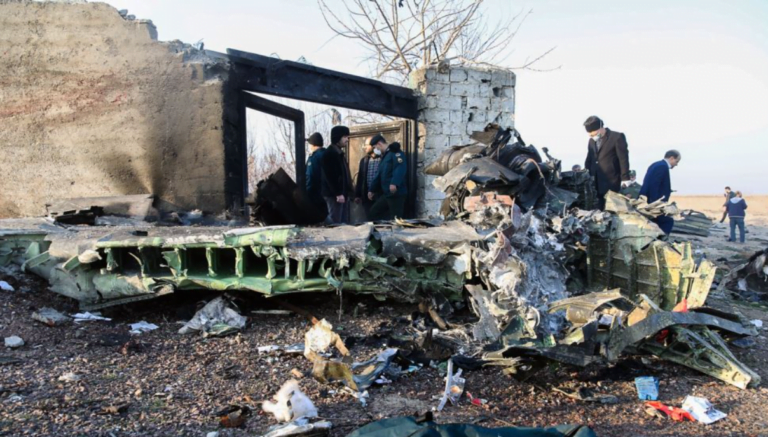
The escalated tensions between the two nations also led to a passenger plane crash. A Ukrainian International Airlines flight crashed on the outskirts of Tehran after being hit by Iranian missiles on January 8. Iran had on January 20 admitted to accidentally hitting the plane with missiles. The crash killed all 176 people on board, sparking international outrage. military commander  military commander  military commander  

Iran Admits Proposing Separate Settlement To Ukraine On Downed Plane

0
Iran Admits Proposing Separate Settlement To Ukraine On Downed Plane


In a statement issued on Thursday, the Embassy of the Islamic Republic in Ukraine for the first time admitted that Iran has proposed a settlement to close the case of the country’s Flight PS752 which Iran’s Revolutionary Guard downed in January.


The statement says Iran is willing to resolve the issues related to the incident and “therefore, underlines that it is necessary [Ukraine] expedites its response to the proposal officially submitted to Kiev three months ago”.


The Ukrainian passenger plane was hit by two missiles shortly after taking off from Tehran’s Imam Khomeini International Airport on January 8. All 176 passengers and crew members onboard were killed in the crash. It took Iranian authorities three days to finally admit that the Revolutionary Guard was responsible for firing the missiles at the plane.


Eugene Enin, Deputy Foreign Minister of Ukraine who is in charge of the case of the crash dossier, met with the Iranian Ambassador Manouchehr Moradi on Tuesday to discuss the matter. On Thursday he told Radio Farda that Iran’s proposed MoU subjects the deciphering of the flight recorders to conditions but Ukraine has repeatedly announced that such no conditions are acceptable.


“We stress that examining the contents of the flight recorders is subject to the responsibilities that Iran has accepted in the framework of Montreal and Chicago conventions. They must submit the flight recorders to a country that can decode them if they are not able to do so themselves, Enin added.


According to Enin Ukraine demands a guarantee of implementation of international laws, explanation of the real cause of the incident — whether human error or other reasons — and punishment of those responsible for the incident.


Read More


Also Read: Struan Stevenson – Iran’s New Parliament Speaker Built Career on Suppression

Struan Stevenson – Iran’s New Parliament Speaker Built Career on Suppression

0
Struan Stevenson – Iran’s New Parliament Speaker Built Career on Suppression


In an article on the United Press International (UPI) website, Mr. Struan Stevenson, a former Member of the European Parliament, elaborated on the Iranian regime’s new move of appointing Mohammad Bagher Qalibaf, a Revolutionary Guards (IRGC) Brigadier General and one of the regime’s leading figures of oppression and corruption, as the new Parliament Speaker. Mr. Stevenson pointed to Qalibaf’s career which is filled with corruption and oppression of the Iranian people.  


June 4 (UPI) — In 1932, Adolf Hitler appointed Reichsmarschall Hermann Göring, head of the Luftwaffe, as president or speaker of the Reichstag after an electoral surge made the Nazi Party the largest in Germany. Goring was an infamous war criminal who committed suicide before he could be hanged following the Nuremberg Trials in October 1946. 


On May 27, the religious fascist dictatorship in Iran appointed Brig. Gen. Mohammad Baqer Qalibaf as speaker of the Iranian Parliament. Like GöringQalibaf is a notorious criminal, his career smeared with the blood of countless political opponents and his pockets stuffed with looted gold. Like GöringQalibaf is a former Air Force commander. He is also a senior officer in the Islamic Revolutionary Guards Corps, the regime’s Gestapo. 


STRUAN@STRUANSTEVENSON

On May 27, the religious fascist dictatorship in appointed Brig. Gen. Mohammad Baqer Qalibaf as speaker of the Parliamenthttps://upi.com/7012178t  via @upi

Iran’s new speaker built career on suppression

The fascist dictatorship in Iran appointed Brig. Gen. Mohammad Baqer Qalibaf as speaker of the parliament.upi.com

Qalibaf’s appointment followed the sham elections in February, when the regime hand-picked a list of hard-line candidates and purged anyone deemed to be even marginally moderate. Supreme leader Ayatollah Ali Khamenei urged the people of Iran to cast their votes in support of his selected goons and thugs, despite being aware that the coronavirus had begun to spread like wildfire.


Read More


Also Read: Did Iran’s IRGC commander Ghaani go to Baghdad to oust US forces?