
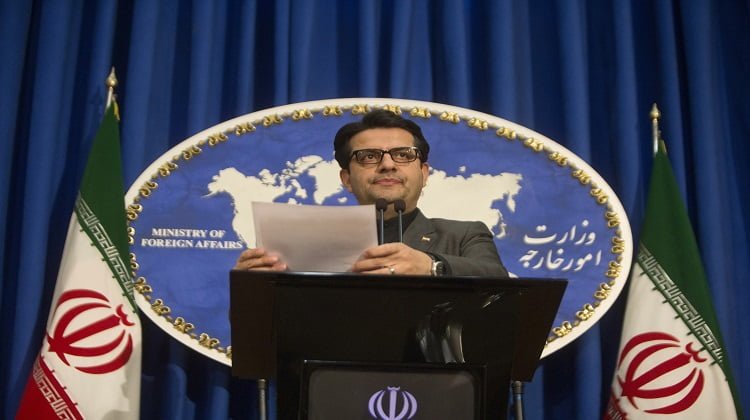
Iran moves detained academic Kylie Moore-Gilbert back to Tehran prison

Iran moves detained academic Kylie Moore-Gilbert back to Tehran prison
Iran moves detained academic Kylie Moore-Gilbert back to Tehran prison
The detained British-Australian academic Kylie Moore-Gilbert has been moved back to Tehran’s Evin prison, sources with knowledge of her case have confirmed to the Guardian.
Under ‘Maximum Pressure’, Iran Turns To China And Russia
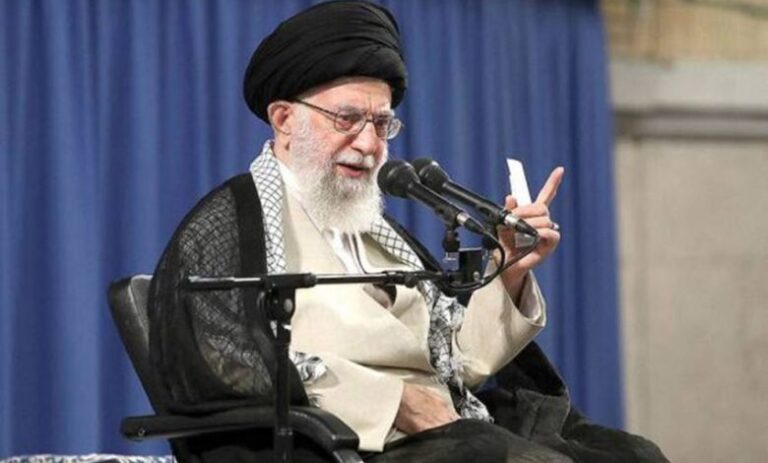
As the Trump presidency slides into the sunset, a review of its approach to Iran reveals an unrelenting pursuit of economic sanctions, impelled by a visceral animosity for the Iranian leadership and its people, indeed, for the Iranian revolution itself.
Throughout the election campaign, Trump had criticized the Joint Comprehensive Plan of Action (JCPOA), the formal title of the nuclear agreement that the P5+1 powers had entered into with Iran to curb its weapons program and ease sanctions.
Anxious to reverse every achievement of the former president, Barack Obama, Trump had promised a “better” deal.
A year after entering the White House, Trump formally withdrew the US from the JCPOA in May 2018 and reinstated sanctions on the country. Trump’s idea of a “better” deal envisaged a significant expansion of the issues to be covered by a new agreement – curbing Iran’s support for terrorism and the regional instability caused by its “malign” actions and, specifically, ending its development of ballistic missiles and cutting off ties with Hamas and Hezbollah.
“Maximum pressure”
As Iran failed to respond to these demands, the sanctions became more severe: Trump demanded that Iran’s oil exports be reduced to zero, even as the sanctions curbed Iran’s access to global financial institutions. Over the last four years, new sanctions have been imposed on Iran practically every week – targeting its leaders and institutions.
Besides the oil and finance sectors, sanctions have been imposed on the Iranian Revolutionary Guards Corps (IRGC), the Central Bank of Iran, and recently its oil companies, several of its banks, the Iranian Oil Minister, and even the Iranian ambassador in Baghdad.
Besides the oil and finance sectors, sanctions have been imposed on the Iranian Revolutionary Guards Corps (IRGC), the Central Bank of Iran, and recently its oil companies, several of its banks, the Iranian Oil Minister and even the Iranian ambassador in Baghdad.
U.S. Announces Seizure Of Iranian Weapons It Says Were En Route To Yemen
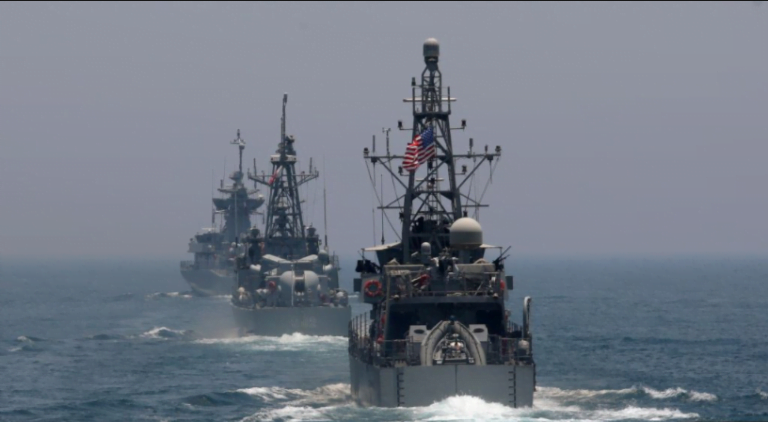

The United States says it has seized a variety of missiles that the Islamic Revolutionary Guards Corps’ (IRGC) Quds Force shipped to Yemen and announced the sale of Iranian oil it seized in August before it reached Venezuela, saying the proceeds will benefit victims of terrorism.
The U.S. Justice Department announced the actions on October 29, saying the missiles were seized after two U.S. warships interdicted two “flagless vessels” in separate routine security operations in November 2019 and February 2020 in the Arabian Sea.
“Aboard both of the vessels were large stocks of weapons, including 171 guided anti-tank missiles, eight surface-to-air missiles, and various other missile components,” the department said in a news release.
“Subsequent investigation revealed the ships’ cargo to be of Iranian manufacture and consistent with known Iranian weapon systems.”
Read the complete article at NewsNow.com
Also Read: DOJ says forfeiture of missiles and oil seized from Iran’s Revolutionary Guard is largest ever
It said additional analysis revealed that the arms were from the IRCG’s Quds Force and destined for militant groups in Yemen. The United States has long accused Iran of illegally smuggling arms to Huthi rebels battling the Yemeni government. The U.S. attorney general has filed a complaint seeking forfeiture of the arms, the department said. The Justice Department also announced on October 29 that it had sold 1.1 million barrels of previously seized Iranian oil that was bound for Venezuela. It said proceeds from the sale would go to a special fund for victims of state-sponsored terrorism. The money “will now go to a far better use than either regime, Iran, or Venezuela, could have envisioned because it will provide relief for victims of terrorism rather than the perpetrators of such acts,” said Elliott Abrams, the State Department’s special representative for Iran and Venezuela.
DOJ says forfeiture of missiles and oil seized from Iran’s Revolutionary Guard is largest ever
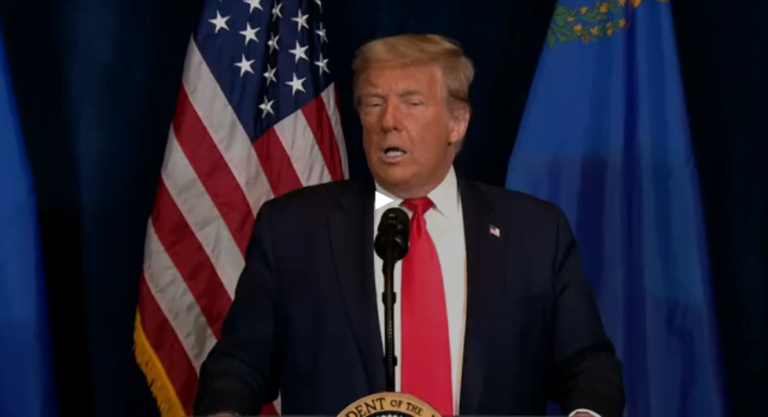

The Justice Department announced that it was filing a forfeiture complaint related to two large shipments of Iranian missiles in the U.S.
Navy seized that were bound for Iranian-backed militants in Yemen sent by Iran’s Islamic Revolutionary Guard Corps, which has been designated a foreign terrorist group by the United States.
The agency simultaneously announced the court-approved sale of 1.1 million barrels of Iranian petroleum that the U.S. seized from four foreign-flagged oil tankers in transit to Venezuela from the IRGC in defiance of U.S. sanctions, with the U.S. intending to take the proceeds from the fuel sales and provide them to the U.S. Victims of State Sponsored Terrorism Fund.
The Justice Department called these moves “the government’s largest-ever forfeitures actions for fuel and weapons shipments from Iran.”
U.S. Navy Central Command seized the weapons from two flagless ships in the Arabian Sea in November 2019 and February 2020, including “171 guided anti-tank missiles, eight surface-to-air missiles, land-attack cruise missile components, anti-ship cruise missile components, thermal weapons optics, and other components for missiles and unmanned aerial vehicles.”
The DOJ said the recently unsealed 20-page forfeiture action “is part of a larger investigation of an Iranian weapons smuggling network … involved in the illicit trafficking of advanced conventional weapons systems and components, including systems that contain U.S.-origin components, by sanctioned Iranian entities that directly support military action by the Houthis movement in Yemen and the Iranian regime’s campaign of terrorist activities throughout the region.”
Read the complete article at NewsNow.com
Also Read: US threatens military strikes against Iran and Venezuela
The U.S. decision to designate the IRGC as a terrorist group in 2019 followed an announcement from the State Department revealing that Iran is responsible for the deaths of at least 603 U.S. service members in Iraq. Iranian Gen.
US threatens military strikes against Iran and Venezuela
US threatens military strikes against Iran and Venezuela
US threatens military strikes against Iran and Venezuela
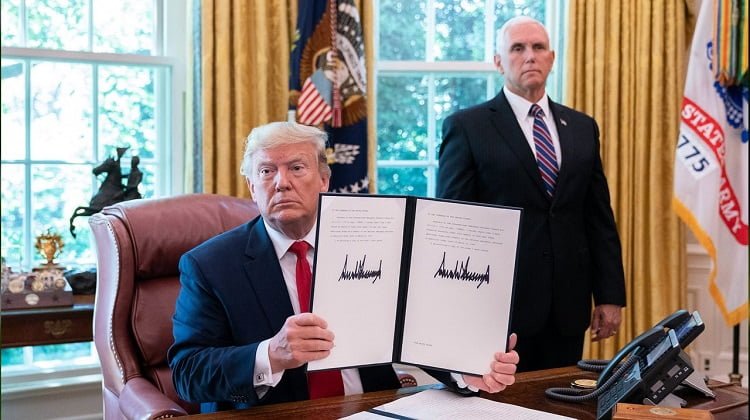
A senior Trump administration official threatened this week that Washington would carry out military action to prevent Iran’s sale of missiles to Venezuela, either by means of confiscating the weapons on the high seas or destroying them with air strikes if they were to reach the South American country.
Iran’s Khamenei tweets about questioning the Holocaust; Congress asks Twitter about censorship bias
Iran’s Khamenei tweets about questioning the Holocaust; Congress asks Twitter about censorship bias
Iran’s Khamenei tweets about questioning the Holocaust; Congress asks Twitter about censorship bias
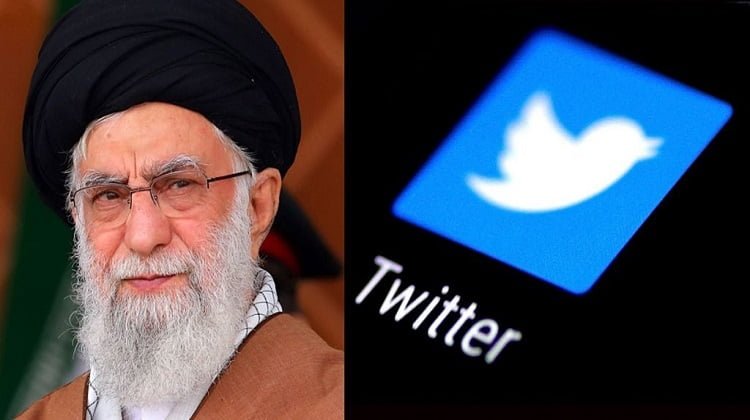
Supreme Leader Ayatollah Ali Khamenei of Iran questioned why some countries have criminalized Holocaust denial on Wednesday in an uncensored post to Twitter, which is facing scrutiny for how the social media platform has censored posts, like a recent New York Post article on the Biden family’s business and political connections.
Defense Secretary Meets With Bahraini, U.S. Military Leaders
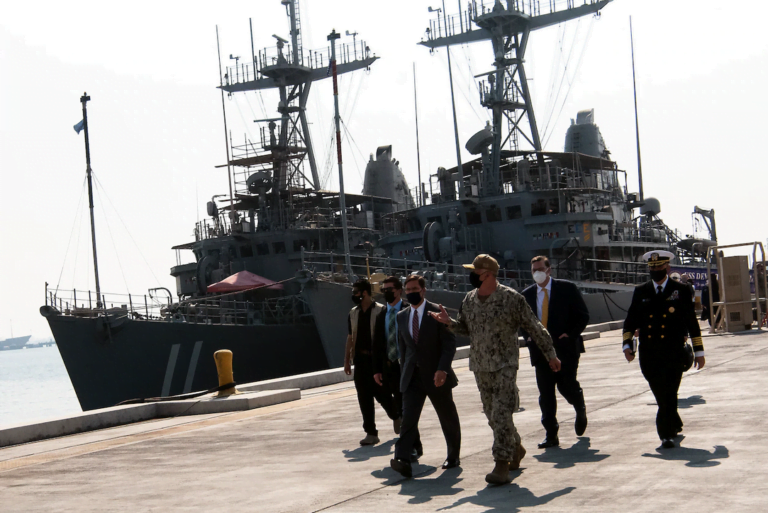
Defense Secretary Dr. Mark T. Esper visited with Bahraini and U.S. leaders in Manama, Bahrain, to get a feel for conditions in the vital Persian Gulf region.
Esper met with King Hamad bin Isa Al Khalifa and thanked the Bahraini monarch for his country’s stout support of American presence in the region.
Earlier in the day, the secretary met with Navy Vice Adm. Samuel Paparo, the commander of the 5th Fleet based in Bahrain. He got a feel for operations in the Persian Gulf and the threat posed by Iran in that crucial waterway.
The secretary also visited with service members and toured the USS Devastator, a countermine ship, and the USS Monsoon, a patrol craft. Both ships are based in Bahrain and play an important role in ensuring freedom of navigation.
Iran is just across the Gulf from Bahrain and remains the biggest problem in the vital thoroughfare. In the past, Iranian leaders have threatened to close the waterway. This would choke off a large proportion of the world’s oil. Iran was behind last year’s attacks on tanker ships in the region and launched a drone strike against a Saudi oil refinery. The Iranian regime also supports proxy groups from the Houthis fighting in Yemen to Shiite militias in Iraq.
Also read:
Iran has seemed to back off from provocations. Fifth Fleet officials put that, in part, to the presence of the Nimitz carrier battle group in the Gulf and the solidarity among partners in the Gulf to ensure the waterway is safe.
A total of 33 nations participate in operations to ensure freedom of navigation in the Arabian Gulf. Bahrain is a key member of that group and hosts the home port of the task force. U.S. Coast Guard personnel help teach partners’ sailors the fine art of searching vessels. Taskforce vessels counter-piracy, run counternarcotics operations, and search for illegal weapons. The vessels also rescue mariners in trouble. There have been numerous reports over the years of coalition vessels rescuing Iranian mariners.
Ex-IRGC Commander: US Left with No Option But to Retreat from Region
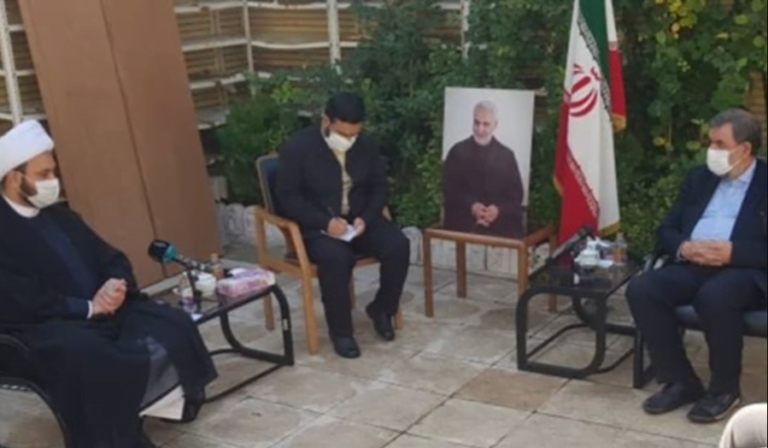

Ex-IRGC Commander Mohsen Rezayee said that withdrawal from the region is the inescapable fate of the American forces.
“The (anti-US) struggles and protests have undergone an outstanding increase and the US has been left with no other option, but to retreat from the region, and the theatrical relations between the betraying Arab states and the Zionist regime will not help them.
Rezayee, the current secretary of Iran’s Expediency Council (EC), said at a meeting with Secretary-General of al-Nujaba Movement Sheikh Akram al-Kaabi in Tehran on Wednesday.
He described the coming years as the years of expansion and reinvigoration of the resistance front, and said, “Not only the US will be expelled from the region, but also the plot for the Al-Saud, Bahrain and the UAE’s concession to the holy Quds occupying regime will fail.”
Rezayee underlined Iran’s support for the Islamic resistance movements in Iraq, and said, “The resistance front will not allow Israel to become a surrogate of the US in the region and this goal will be materialized with the countries’ independence from the US.
Saudi Arabia, Bahrain, and the UAE should separate from the US and the next few years will be the years of controversy over separation from the US.”
In relevant remarks earlier today, Iran’s Judiciary Chief Seyed Ebrahim Rayeesi underlined that normalization deals by some Arab states may not protect Israel from annihilation.
“Any contract aiming to guarantee Israel’s survival is doomed to failure,” Rayeesi said in a meeting with outgoing Syrian Ambassador to Tehran Adnan Mahmoud on Wednesday.
He referred to the failure of previous deals with Israel, including Camp David, Oslo, and Sharm al-Sheikh, and said the recent agreements between Tel Aviv and certain Arab regimes will also fail.
Read the complete article at NewsNow.com
Also Read: Revolutionary Guards Launch “Jihad” Against Coronavirus
Revolutionary Guards Launch “Jihad” Against Coronavirus
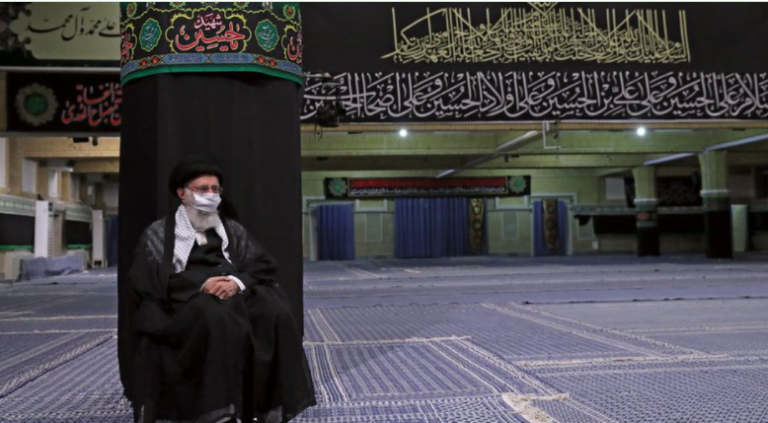

The crisis unleashed in Iran by the surge of coronavirus in recent weeks has forced government officials to be more forthright with the public.
In late October, the average number of Covid-19 fatalities was over 300 per day, but a number of health officials have said the true number can only be determined by multiplying that figure by somewhere between two and four.
The deteriorating situation has also forced the government to increase restrictions and order more businesses to shut down, at least for a week.
The newfound transparency from officials is a hopeful sign but this apparent honesty has also served to shift responsibility on to the public.
Essentially, the government has announced that people must take precautions themselves and that it cannot be responsible if they contract the virus.
The coronavirus crisis is so bad that the Supreme Leader Ali Khamenei has called for the mobilization of “jihadi forces and the mosques,” urging them to do their part.
“Patients in Tehran who go to treatment centers are in the most critical condition,” reported Dr. Alireza Zali, director of the Tehran Coronavirus Taskforce.
He said a list of patients who have been released from the hospital after testing positive will be given to “social institutions” and “neighborhood Basiji members” so that they can surveil these patients during house quarantine.
“To plan accurately and carry out the necessary interventions, a detailed record of infections, deaths, and releases from the hospital for each neighborhood at the end of the week is required,” announced Dr. Zali.
With these statements, the Revolutionary Guards and the paramilitary Basij have officially been brought in to fight the coronavirus crisis.
General Mohammad Reza Yazdi, commander of the Revolutionary Guards in Tehran, reported that “jihadi groups” are preparing to follow the Supreme Leader’s command by “identifying individuals who transmit the disease.
Read the complete article at NewsNow.com
Also Read: Microsoft says Iranian hackers targeted ‘high profile’ conference attendees