Home Blog Page 151

Iran’s 1988 Massacre: U.S Calls for Independent Investigations

0
Iran’s 1988 Massacre: U.S Calls for Independent Investigations


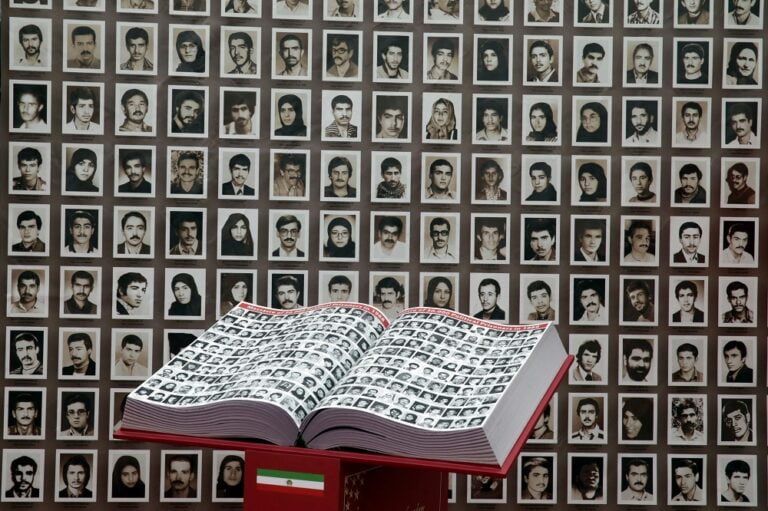
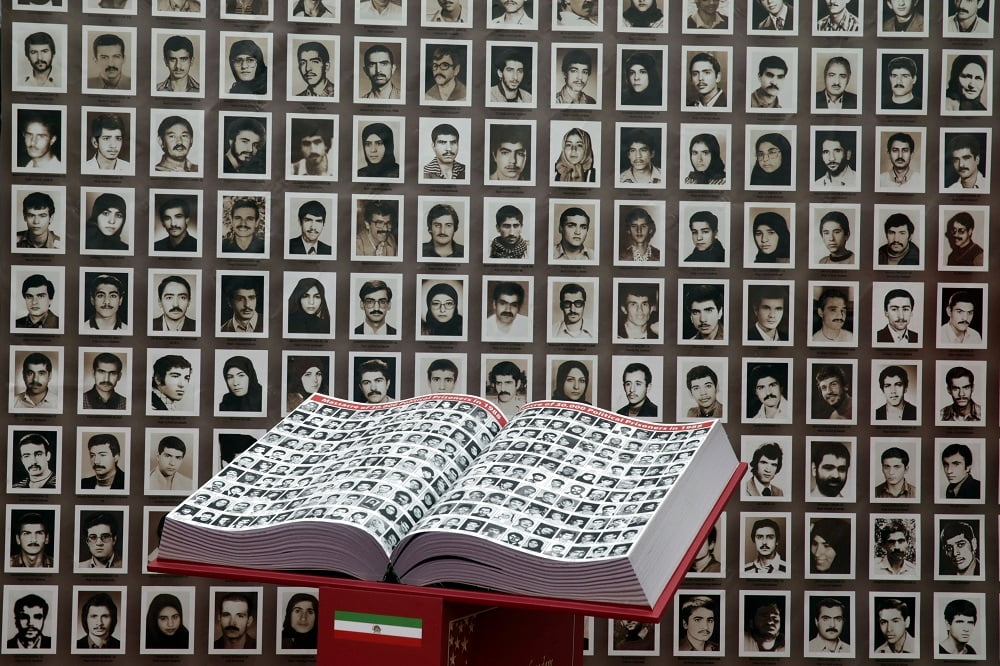
Morgan Ortagus, the spokesperson of the United States State Department, in a video message on Twitter, while condemning the Iranian regime’s ongoing human rights violations, particularly the 1988 massacre of thousands of political prisoners, called on the “international community to conduct independent investigations and do provide accountability and justice for the victims of these horrendous violations of human rights, organized by the Iranian regime.”  


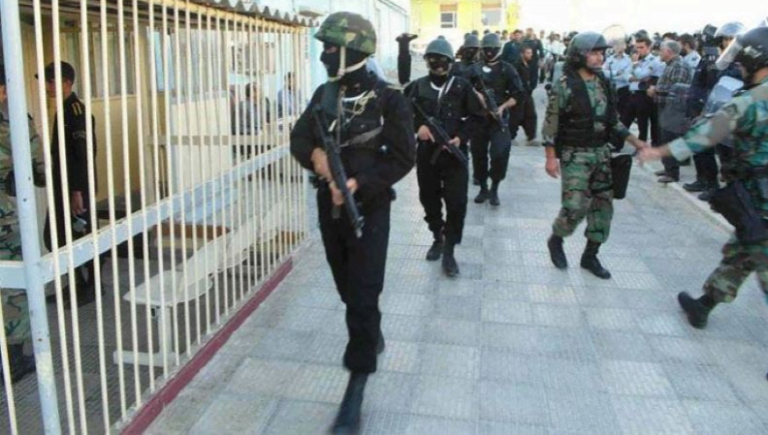
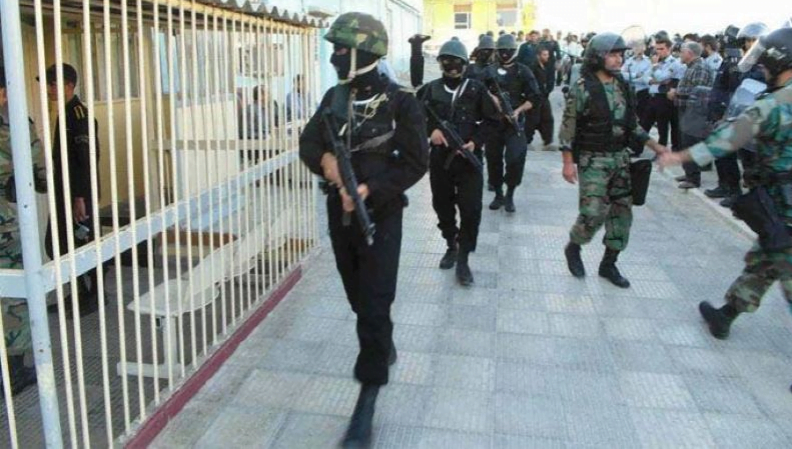
July 19th marks the anniversary of the start of Iran. So-called death commissions on the orders of Ayatollah Khomeini. These commissions reportedly forcibly disappeared and extra judicially executed thousands of political dissident prisoners. The current head of the Iranian judiciary and current minister of justice have both been identified as former members of these death commissions.


The Iranian judiciary is widely perceived to lack independence and fair trial guarantees. And the revolutionary courts are particularly egregious in ordering violations of human rights. All Iranian officials who commit human rights violations or abuses should be held accountable. The United States calls on the international community to conduct independent investigations and do provide accountability and justice for the victims of these horrendous violations of human rights, organized by the Iranian regime,” she said in a video message on Twitter 


In response, while welcoming this position, Mrs. Maryam Rajavi, the president-elect of the National Council of Resistance of Iran (NCRI), said on Twitter: “I welcome the call by the State Department spokeswoman for an independent investigation into the actions of the death commissions during the #1988Massacre and demand justice for the martyrs.


Perpetrators must be brought to justice. Dispatching international  fact-finding missions to Iran, joined by the MEK & Iranian Resistance representatives to prevent regime’s cover-up of the 1988 Massacre (crime against humanity), especially of the graves and precise figures of the martyrs in prisons and  cities across Iran is an imperative.”


Read More


Also Read: China-Iran Strategic Accord Changes Calculus for Israel
China-Iran Strategic Accord Changes Calculus for Israel
0
China-Iran Strategic Accord Changes Calculus for Israel
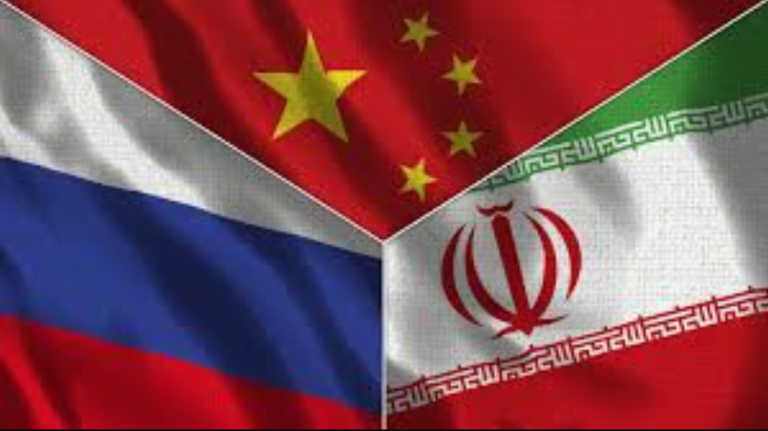
 

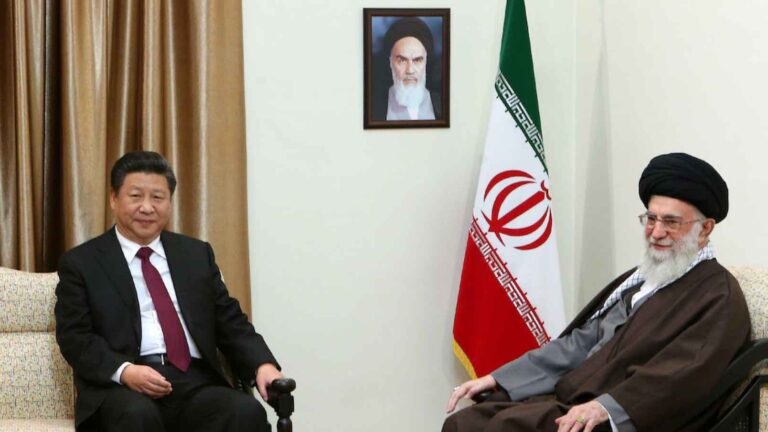
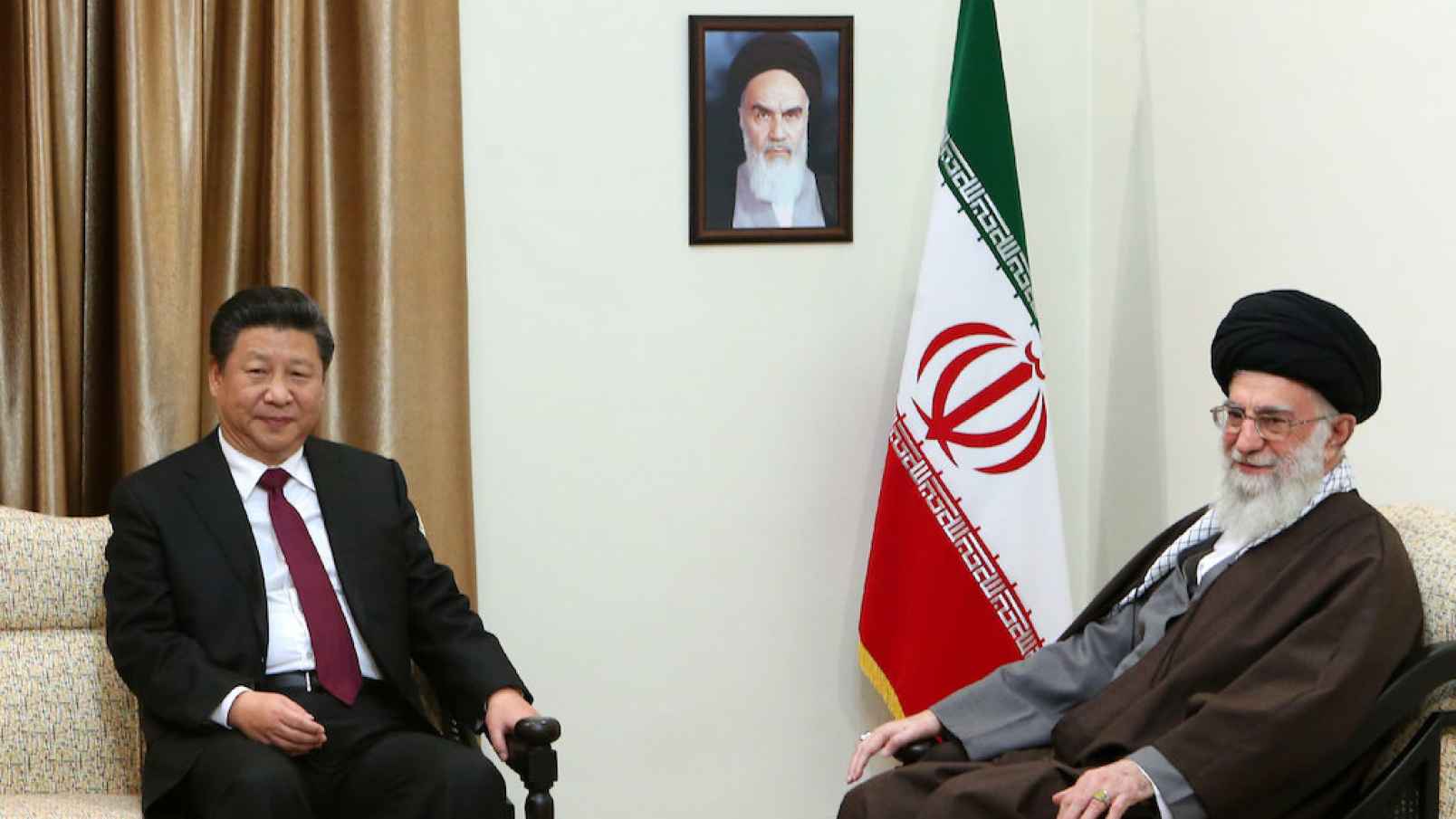
When Chinese President Xi Jinping visited Tehran in 2016, most observers dismissed the significance of the move. The notion that Beijing would wreck its relations with America, the largest economy and most powerful global superpower, in favor of an alliance with Iran, the world’s greatest state sponsor of terrorism, was, on its face, preposterous.


But despite the ridiculousness of the idea, concern grew about Sino-Iranian ties as Iranian political leaders and military commanders beat a path to China’s door. Now, in the midst of the global recession caused by China’s export of the coronavirus, the preposterous has become reality.


Following weeks of feverish rumors, Iran and China have concluded a strategic accord. Last weekend, The New York Times reported on the contents of a final draft of the agreement.


In its opening line, China and Iran describe themselves as “two ancient Asian cultures, two partners in the sectors of trade, economy, politics, culture, and security with a similar outlook and many mutual bilateral and multilateral interests.”


Henceforth, they, “will consider one another strategic partners.”


Substantively, the deal involves Iran supplying China with oil at below-market prices for the next 25 years and China investing $400 billion in Iran over the same period. China committed to expanding its presence in the Iranian banking and telecommunication sectors. Among dozens of infrastructure projects, China will construct and operate ports and train lines. China will integrate Iran into its 5G internet network and its GPS system.

The implications of the deal are clear. China has opted to ignore U.S. sanctions. Beijing clearly believes the economic and diplomatic price it will pay for doing so will be smaller than the price the U.S. will pay for the diminishment of its position as the ultimate arbiter of global markets.


For Iran, China is a life raft saving it from total economic collapse under the weight of U.S. economic sanctions.


Read More


Also Read: Iran Seeks Deals with Russia and China To Build Coalition to Resist U.S.

Iran Seeks Deals with Russia and China To Build Coalition to Resist U.S.

0
Iran Seeks Deals with Russia and China To Build Coalition to Resist U.S.
      Iran Seeks Deals with Russia and China To Build Coalition to Resist U.S.


Iran is seeking to extend a 20-year deal with Russia at the same time that the Islamic Republic negotiates a quarter-century agreement with China, signaling a new push to establish an international coalition against U.S. economic and political pressure.


Iranian Foreign Minister Mohammad Javid Zarif arrived Tuesday in Moscow for talks in which he sought the renewal of a two-decade agreement for cooperation between the two countries.


The contents of the pact were not made public but it follows a landmark deal involving oil and arms sales, as well as nuclear cooperation signed on March 12, 2001, by Russian President Vladimir Putin and former Iranian President Mohammed Khatami.


Putin spoke with his contemporary Iranian counterpart Hassan Rouhani ahead of Zarif’s arrival in a conversation Thursday that covered the novel coronavirus pandemic, the Iran nuclear deal, the war in Syria and bilateral topics including “the implementation of large joint energy projects.”


The agreement, which Zarif said both sides “agreed to conclude,” comes about a week after the leak to various news outlets of an 18-page document purported to be the draft of a comprehensive deal with China.


This deal, the contents of which Iranian officials have said have yet to be finalized, included about $400 million of Chinese investment in Iran’s energy sector and infrastructure.


The interests of Tehran, Moscow and Beijing appear to be converging in a way that experts say could prove a challenge to the United States’ attempts to maintain dominance over international order.


“The three countries find themselves coming together for both strategic and pragmatic reasons,” Guy Burton, an associate professor at Official Vesalius College in Brussels, told Newsweek. “Strategically, they share a common aversion to a U.S.-led world order. Pragmatically, it makes sense to work with each other.”


Read More


Also Read: Iran Urges Iraq to ‘Vigorously Pursue’ Justice in Soleimani Assassination Case

Iran Urges Iraq to ‘Vigorously Pursue’ Justice in Soleimani Assassination Case

0
Iran Urges Iraq to 'Vigorously Pursue' Justice in Soleimani Assassination Case
Iran Urges Iraq to ‘Vigorously Pursue’ Justice in Soleimani Assassination Case


Iranian authorities have already issued an arrest warrant against US President Donald Trump and three dozen other alleged conspirators in the plot to kill senior Revolutionary Guards commander Qasem Soleimani.


Interpol has said it would refuse a red notice request for Trump, citing the case’s “political” nature.


Iraq should join Iran in pursuing justice following the assassination of commander Soleimani and Iraqi Popular Mobilization Forces deputy leader Abu Mahdi al-Muhandis, as their assassination on Iraqi soil by the US constitutes a violation of Iraq’s sovereignty, Iranian Parliament Speaker Mohammad Baqer Qalibaf has said.


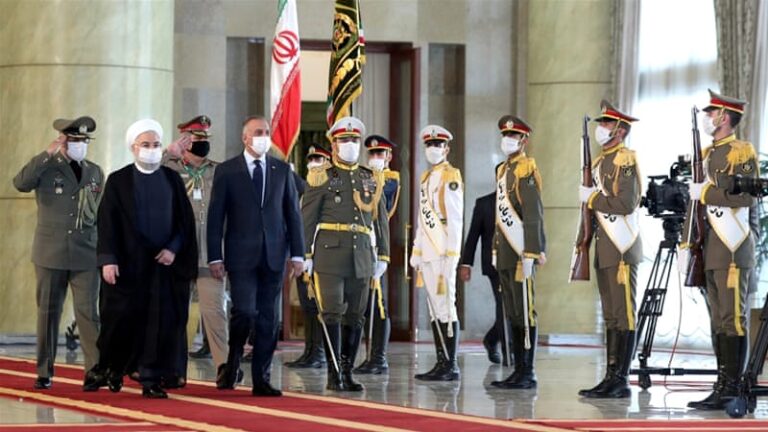
“The United States violated Iraqi territory and impudently assassinated those who risked their lives to crush the bones of terrorism. This is not a simple issue. The American assassination is a major case that must be pursued vigorously,” Qalibaf said, speaking to Iraqi Prime Minister Mustafa al-Kadhimi in Tehran on Wednesday.


According to Qalibaf, the assassinations of Soleimani and al-Muhandis, “on the direct order of President Trump, is a stain of shame that will never be erased from the faces of White House officials.”


“We believe that the region will not achieve stability as long as foreign forces are present in the region,” the parliament speaker added, referring to the Iraqi parliamentary initiative to remove US forces from Iraqi soil following the US drone strike at Baghdad’s international airport which killed Soleimani and the senior Iraqi Shia commander.


Al-Kadhimi was said to have thanked Iran for its assistance in the campaign to crush Daesh (ISIS)*, and promised that Iraq would not allow for its territory to be used in a way that threatens Tehran.


The Iraqi prime minister arrived in Iran on Tuesday for talks with senior Iranian officials, with Iran becoming his first international trip since he took office in May.


Read More


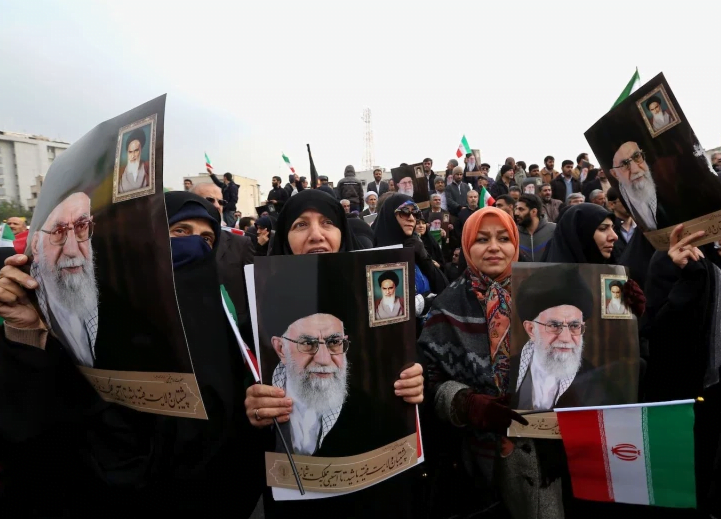
To Secure His Legacy, Khamenei Is Packing Iran’s Government With Young Radicals

0
To Secure His Legacy, Khamenei Is Packing Iran’s Government With Young Radicals
  To Secure His Legacy, Khamenei Is Packing Iran’s Government With Young  Radicals


In just under a year, Iran will elect a new president. Coming after the U.S. election this November, there is some hope that the occasion could usher in improved U.S.-Iranian relations.


Yet, given the way Supreme Leader Ali Khamenei has been narrowing the field of candidates, that seems unlikely.


Khamenei set the scene for the upcoming vote with a manifesto published in February 2019 with the title .The Second Phase of the Revolution.


In it, he reflects on the 40 years since the 1979 Islamic Revolution and charts a vision for the next 40. Khamenei appears to understand that, at age 81, he will not remain leader forever, and so he seeks to ensure that his principles outlive him.


The predominant strategy the manifesto puts forth is “javangarayi va javansazi modiriyat-e keshvar” or the “youthfulness and rejuvenation of the country’s management,” through which young supporters “prepare the ground for the formation of a young and pious government.”


In government, this so-called youth-washing project has taken the form of stocking unelected political offices with people who are either younger or more hard-line.


Since 2019, Khamenei has replaced several military elites in the armed forces (Joint Staff), conventional military (Artesh), and the Islamic Revolutionary Guard Corps (IRGC) to inject new blood into the veins of the regime.


His old representatives in the state bureaucracy, local governments, and universities have likewise been replaced by a young and even more radical generation.


For example, in March 2019, the ultraconservative hard-liner Ebrahim Raisi stepped in for Sadeq Larijani as chief justice of Iran.


Raisi previously lost to President Hassan Rouhani in Iran’s 2017 presidential election and played a prominent role in the mass execution of thousands of leftist political prisoners as deputy prosecutor general of Tehran in 1988.


After he became the head of Iran’s judiciary, the use of the death penalty in the country has escalated. Since late June, 11 Iranian citizens—three in Tehran and eight in Isfahan—have been sentenced to death for taking part in mass anti-government protests in November 2019. Ali Khamenei


Meanwhile, the Iranian journalist Ruhollah Zam, who was accused of fueling anti-government protests through a popular Telegram channel in 2017, received a death sentence last month. He had fled to exile in France before being arrested by Iranian authorities in Iraq.


Read More


Also Read: Ayatollah Khamenei Hints Iran Yet to Strike ‘Reciprocal Blow’ Against US Over Soleimani Killing


Ayatollah Khamenei Hints Iran Yet to Strike ‘Reciprocal Blow’ Against US Over Soleimani Killing

0
Ayatollah Khamenei Hints Iran Yet to Strike ‘Reciprocal Blow’ Against US Over Soleimani Killing


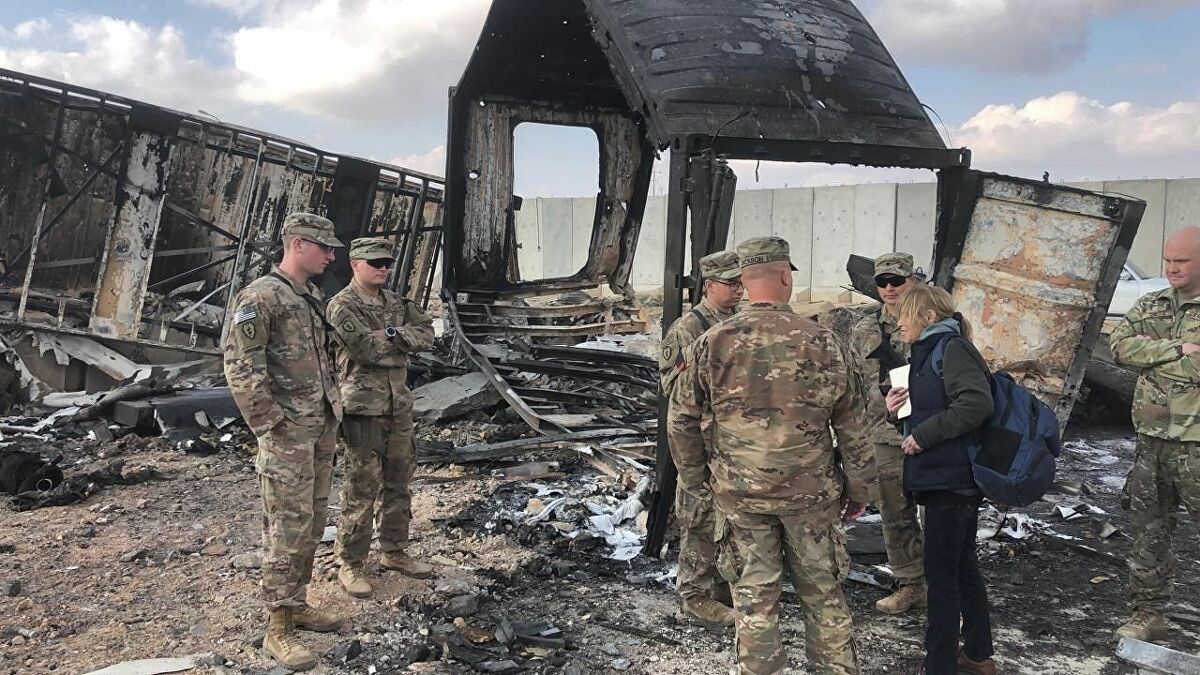
The January 3 drone strike assassination of Revolutionary Guards Quds Force commander Qasem Soleimani in Baghdad brought Iran and the US to the brink of war, with Tehran responding with missile strikes on two US bases in Iraq, causing traumatic brain injuries among over 100 US troops.


Iran has yet to deal a retaliatory counterblow to the US for the assassination of Gen. Qasem Soleimani, Supreme Leader Ayatollah Khamenei has indicated.


“The Islamic Republic of Iran will never forget the martyrdom of Hajj Qassem Soleimani and will definitely strike a reciprocal blow to the US,” Khamenei said, speaking to Iraqi Prime Minister Mustafa al-Kadhimi on Tuesday, his remarks quoted by Tasnim.


“The US crime in assassinating Gen. Soleimani and [Iraqi militia commander] Abu Mahdi al-Muhandis is an example of the US presence [on Iraqi soil]. They killed your guest in your home, and they blatantly confessed to this crime. This is not a trivial matter,” Khamenei added.


The supreme leader did not clarify what form Iran’s “reciprocal blow” would take. Days before the January 8 ballistic ‘Operation Myartyr Soleimani’ missile strikes on the Ayn al-Asad and Erbil military bases containing US troops, Khamenei vowed “harsh retaliation” against Washington over the commander’s killing, which other Iranian officials described as an “act of war.”


Last week, Iranian Deputy Foreign Minister Mohsen Baharvand revealed that the US had sent a message to Iran via the Swiss ambassador in Tehran urging the country not to respond militarily to the assassination, with this request said to have been “rejected immediately.”


Earlier this month, UN special rapporteur on extrajudicial, summary and arbitrary executions Agnes Callamard concluded that Soleimani’s killing was “unlawful,” and a direct violation of the UN charter.


Read More


Also Read: Iraq PM vows he ‘won’t allow threats’ to Iran from Iraqi soil

Iraq PM vows he ‘won’t allow threats’ to Iran from Iraqi soil

0

Iraq PM vows he 'won't allow threats' to Iran from Iraqi soil
Iraq PM vows he ‘won’t allow threats’ to Iran from Iraqi soil


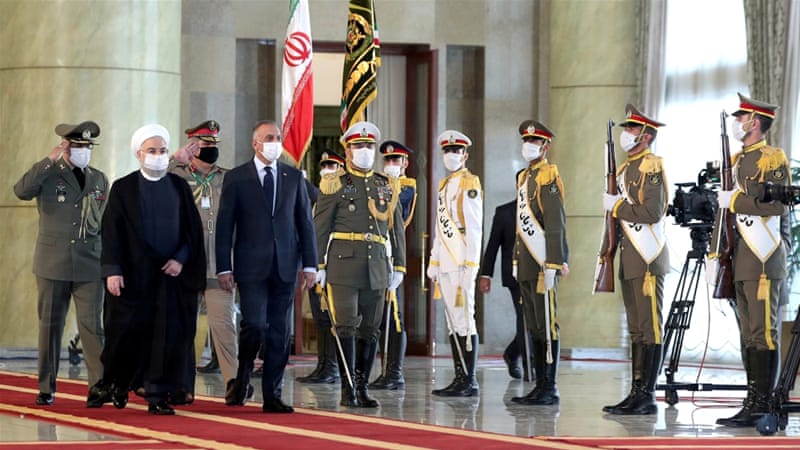
Iraqi Prime Minister Mustafa al-Kadhimi said on a trip to Tehran on Tuesday that Iraq would not allow any aggression against Iran coming from its territory.


Speaking at a news conference alongside Iranian President Hassan Rouhani, al-Kadhimi alluded to Iraq’s concern not to become a battlefield between arch-enemies Iran and the United States.


The Iraqi prime minister faces a tough balancing act between Tehran and Washington, which have come close to open conflict in the region, particularly on Iraqi soil, over the past year.


At home, al-Kadhimi faces increasing pressure from Iran-aligned groups that perceive him as siding with the US, because he has indicated he wants to curb the power of Iranian-backed militias and political parties.


“The people of Iraq want good relations with the Islamic Republic of Iran based on the principle of non-interference in the internal affairs of both countries,” he told the news conference, carried live by Iranian state television.


“Iraq is a country that won’t allow any aggression or challenge to Iran from its territory.”


Balancing act


Al-Kadhimi rose to the premiership in May after serving as head of Iraq’s National Intelligence Service for nearly four years. He formed close ties to Tehran, Washington and Riyadh during that time, prompting speculation he could serve as a rare mediator among the capitals.


In his first two months in office, Iraqi security forces carried out two arrest raids against militias but most of those detained were quickly released.


The United States praised those moves and supporters welcome several appointments al-Kadhimi has made in the security forces, including reinstating Iraq’s Counter Terrorism Service chief Abdul Wahhab al-Saadi, whose dismissal under the previous government fuelled mass anti-government unrest last year.


Read More


Also Read: Chahbahar-Zahedan rail link: Iran’s insistence on roping in a specific entity put deal off track

Iran Executes ‘US and Israeli Spy’ as a Message to Washington

0
Iran Executes 'US and Israeli Spy' as a Message to Washington
        Iran Executes ‘US and Israeli Spy’ as a Message to Washington


“A Mossad spy was hanged,” Iran’s Fars News reported Monday morning. Iran accused Mahmoud Mousavi-Majd of being “linked to both Mossad and the CIA, collecting information in various areas of security and providing them to foreign intelligence for US dollars.”


He was responsible for passing on information related to Islamic Revolutionary Guard Corps Quds Force commander Qasem Soleimani, who the US assassinated in January, the report said.


The execution was given front-page headlines in Iran the day after a high-level visit to Iraq by Iranian Foreign Minister Javad Zarif.


The message appears to be that Iran is trying to show it has cracked down on foreign intelligence networks and made it harder for the US or others to penetrate the Islamic Republic.


After a dozen mysterious fires and explosions have rocked Iran since late June, the country has said any sabotage could “ignite full escalation.” The execution comes in this context as well.


Mousavi-Majd’s execution on Monday was said to have been first reported on the judiciary’s Mizan Online website.


Although he was reportedly detained in October 2018, he was linked to the assassination of Soleimani on January 3, 2020, when the Quds Force leader traveled from Syria to Baghdad to coordinate anti-US activity.


Soleimani was killed alongside Iraqi militia leader Abu Mahdi al-Muhandis in a US airstrike.


Washington was said to have received intelligence from various sources, including the airport. Their convoy was hit with missiles fired by a US drone.


Zarif paid respects to Soleimani and Muhandis on Sunday, stopping by the area where their convoy was destroyed.


In February, Iran’s judiciary sentenced to death one person and gave others long prison sentences “for spying for the CIA.”


The February sentences related to Amir Rahimpour, according to Gholamhossein Esmaili, an Iranian judiciary spokesman. He was accused of passing information about Iran’s nuclear program.


“While being in touch with the spy agency, he earned a lot of money as wages as he tried to deliver some information from Iran’s nuclear program to the American agency,” state-run IRNA News Agency quoted Esmaili as saying.


Read More


Also Read: Head of regime judiciary Riot and turmoil is our red line

Head of regime judiciary Riot and turmoil is our red line

0
Head of regime judiciary Riot and turmoil is our red line


Ebrahim Raisi’s Position, Execution of Mahmoud Mousavi, and Mass Arrests in Behbahan, Signs of Regime’s Fear, and an Attempt to Compensate Its Forced Cessation of the Death Sentence of Three Arrested Young Protesters.


While unable to conceal his anger and despair over the forced cessation of the execution of three young protesters, this morning, Ebrahim Raisi, the head of the Iranian regime’s Judiciary, described the Iranian people’s massive social media campaign against the execution verdict as “propaganda and misinformation” carried out by online bots.


The brazen remarks are reminiscent of the remarks of General Azhari, the former Shah’s army strongman and prime minister, in December 1978, who described as “voices on tape” the voices of millions of Iranians chanting, “Death to the Shah,” which were heard all over Iran.


Terrified by the encouraging impact of the regime’s temporary retreat in the execution of three young protesters, the regime’s Judiciary Chief threatened: “Propaganda and assaults against the Judiciary’s decisions will have no impact at all. … Criticisms should be heard, and the reaction should be logical.


But riots, disruption, and insecurity is the system’s red line, the country’s red line, and no one should be allowed under any circumstances to cause disruptions and insecurity in the country.”


In order to boost the morale of henchmen who call themselves “judges,” Raisi urged them to “be vigilant against violent crimes and they must firmly deal with outlaws and defiant individuals to prevent them from entering into the legal field.”


On the other hand, Brig. Gen. Gholam-Hossein Esmaili, the regime’s Judiciary Spokesperson announced that a member of the Islamic Revolutionary Guard Corps (IRGC), Mahmoud Mousavi Majd, 34, who has been imprisoned since September 2018 on charges of spying, was executed this morning.


Mousavi, whose father worked with the regime’s embassy in Syria since the 1980s, has been in Syria from childhood, and since the outbreak of the criminal war against the people of Syria until his arrest he served the terrorist Qods Force.


For that reason, he received a ring as reward from the regime’s Supreme Leader Ali Khamenei. In September 2018, Mousavi was arrested by the Qods Force intelligence unit in Syria.


Read More


Also Read: Chahbahar-Zahedan rail link: Iran’s insistence on roping in a specific entity put deal off track

Chahbahar-Zahedan rail link: Iran’s insistence on roping in a specific entity put deal off track

0
Chahbahar-Zahedan rail link Iran's insistence on roping in a specific entity put deal off track
 Chahbahar-Zahedan rail link: Iran’s insistence on roping in a specific entity put deal off track


India’s problem with Iran on the Chahbahar-Zahedan rail link is latter’s insistence on ensuring the civil works contract goes to Khatam al-Anbiya constructions, an entity belonging to Iran’s proscribed Islamic Revolutionary Guard Corps (IRGC).


These entities are under secondary sanctions by the US, which means companies who deal with them could also come under scrutiny, face restrictions and may even have their assets frozen.


Now, India does have a waiver from the US to go ahead with the development of the port as well as the railway line.


But in doing so, India cannot involve sanctioned entities in the project.


So, India asked Iran in December 2019 that must nominate another entity, one which is not proscribed. Iran, according to the South Block, gave no replacement.

It’s important note that Khatam al-Anbiya is not just any IRGC entity but one of its key construction arms, which has been involved building activity at nuclear sites.


And IRCON, which had done the feasibility and identified the alignment, could not be exposed to this risk.

From an Indian standpoint, a railway line – regardless of who builds it – must come up because it will help move larger quantities of freight from the Afghan border.


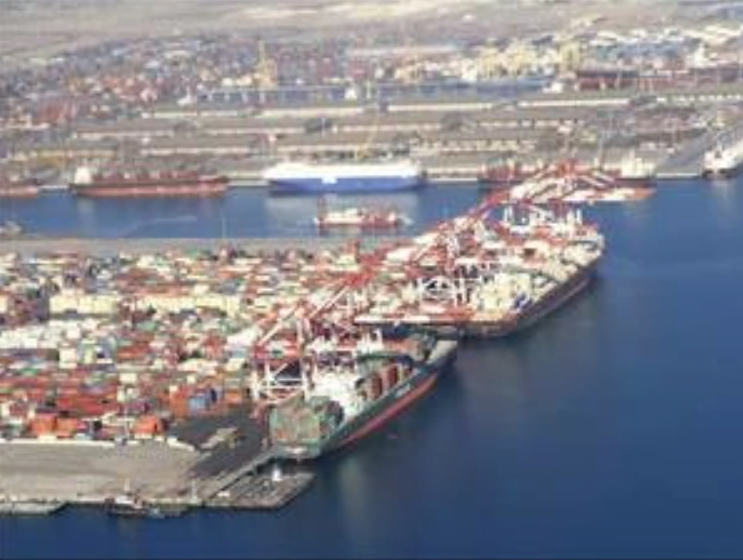
There already is a road connecting the port to Zahedan, which is how 8200 containers have moved through this port since December 2018.


In the past year alone, 52 vessels were handled at the port. These are not big numbers but better than what Indian authorities had anticipated.


The real roadblock for Iran is American sanctions. Much as the proposed China-Iran deal is being touted, the fact remains that no Chinese entity has yet openly flouted the US sanctions regime.


Now, many Chinese entities have worked below the radar to supply dual use items for the nuclear programmes in Iran, North Korea and Pakistan but have never done so overtly.


Read More


Also Read: Iran’s Zarif arrives in Iraq to pressure Baghdad to stay in Iran’s orbit