Home Blog Page 142

With Nuclear Deal On The Line, Iran Has Plenty At Stake In The U.S. Election

0
With Nuclear Deal On The Line, Iran Has Plenty At Stake In The U.S. Election
    With Nuclear Deal On The Line, Iran Has Plenty At Stake In The U.S. Election


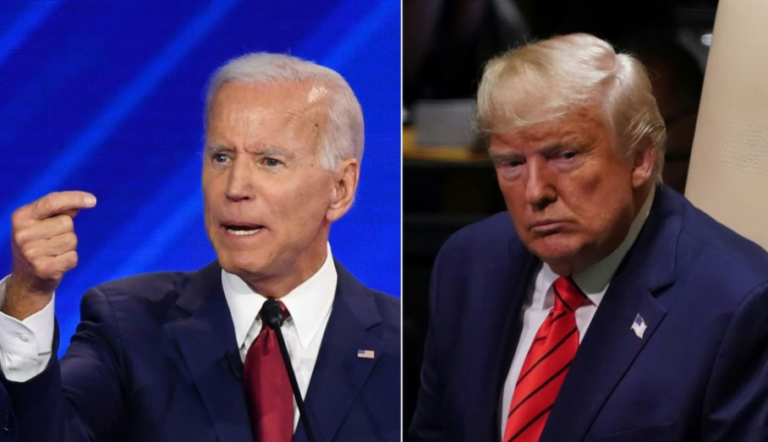
With the incumbent president and his main challenger deeply at odds over a 2015 nuclear deal and other aspects of policy toward Tehran, the outcome of the U.S. election on November 3 could play a powerful role in shaping Iran’s development for years to come.


President Donald Trump, who is seeking reelection on the Republican Party ticket, wants to maintain sweeping economic sanctions on Iran in an effort to force it to renegotiate the international agreement, which he asserts is badly flawed and threatens U.S. security.


Democratic Party nominee Joe Biden, who worked on the nuclear deal as vice president under President Barack Obama, contends that Trump’s policy of “maximum pressure” on Iran has “badly backfired,” provoking Tehran’s leadership and undermining stability.


The long-negotiated agreement between major global powers and Tehran, the Joint Comprehensive Plan Of Action (JCPOA), is intended to make it harder for Iran to potentially develop atomic weapons by restricting its nuclear activities in exchange for sanctions relief.


Trump withdrew the United States from the deal in 2018 and reinstated sanctions, subsequently beefing them up. Since then, Iran’s economy has been hit hard, with the value of its currency sharply declining, and Washington and Tehran have come close to military conflict on two occasions.


Iran fired missiles at a U.S. base in neighboring Iraq in January 2020 in retaliation for Washington’s killing of Major General Qasem Soleimani, a senior commander who led the elite Quds Force, sparking fears of war.


Read More


Also Read: Pakistani cabinet approves setting up shipping line to Iran
Months earlier, in June 2019, Trump said he called off a military strike at the last minute that would have targeted three sites inside Iran in retaliation for the downing of a U.S. drone by Tehran, citing concerns that many people would be killed.

Pakistani cabinet approves setting up shipping line to Iran

0
Pakistani cabinet approves setting up shipping line to Iran
          Pakistani cabinet approves setting up shipping line to Iran
 

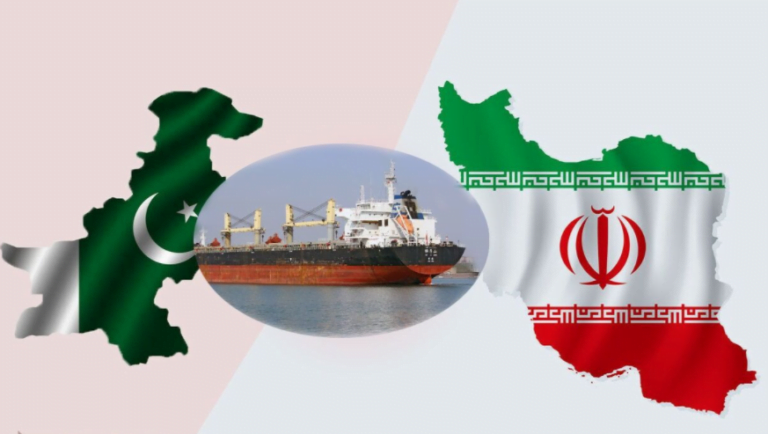
The cabinet of Pakistan, led by Prime Minister Imran Khan, has approved setting up a shipping line with Iran and some other states, as part of cooperation with Iran, a step heralding bright prospects for the two neighboring countries in the maritime sector.


Pakistan’s Minister of Maritime Affairs, who accompanied Prime Minister Khan during his official visit to Iran in 2019, yesterday announced on his Twitter account that the government has agreed to launch a shipping line with some countries.


“Historic day for Pakistan, Federal Cabinet allowed to start Ferry/Passenger Ships to all possible destinations across the world,” wrote Seyed Ali Haider Zaidi.


A Pakistani government spokesman who is also information minister told reporters in Islamabad hours after the cabinet meeting that Pakistan would implement a plan to launch a shipping line to facilitate travel, especially for pilgrims.


**Bright horizon of Iran-Pakistan maritime cooperation


The implementation of the shipping line project which the previous governments had announced is a serious step by the Pakistani government to enhance maritime cooperation with Iran.


Meanwhile, the English-language website “Pakistan Today”, referring to the development wrote: The path of cooperation with the Islamic Republic of Iran in the field of the sea, especially the shipping line, has been paved.


According to the plan of the Ministry of Maritime Affairs of Pakistan, the international shipping line will be launched from the ports of “Karachi and Gwadar” to the ports of neighboring Iran.


Read More


Also Read: Hezbollah Urged to Serve the Lebanese People and Stop Supporting Iran

At present, there is no international or national commercial ferry service operating in Pakistan for the purpose of transportation of passengers and goods.The Pakistani Ministry of Maritime Affairs has proposed the connection of the port of Gwadar to Bandar Abbas in Iran, and then a similar plan will be implemented with Oman, the UAE, and Iraq.

Hezbollah Urged to Serve the Lebanese People and Stop Supporting Iran

0
Hezbollah Urged to Serve the Lebanese People and Stop Supporting Iran
         Hezbollah Urged to Serve the Lebanese People and Stop Supporting Iran


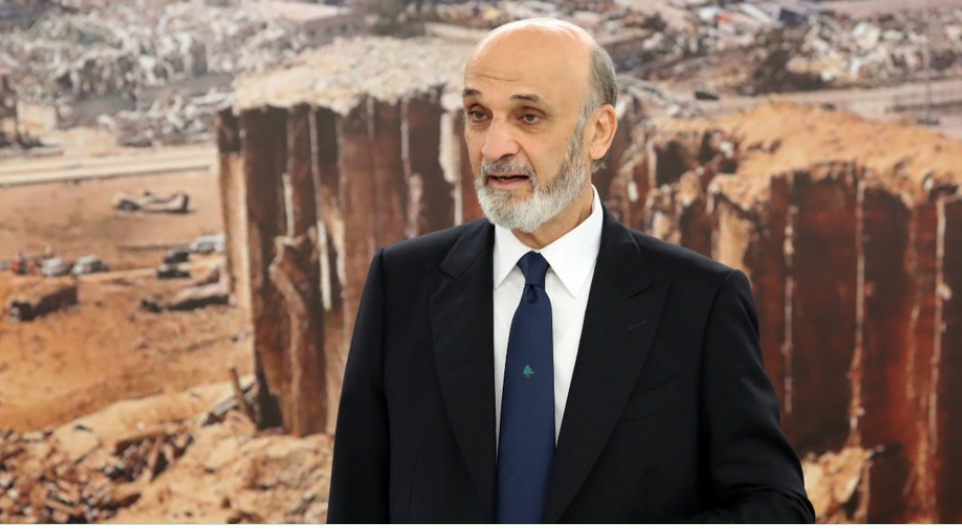
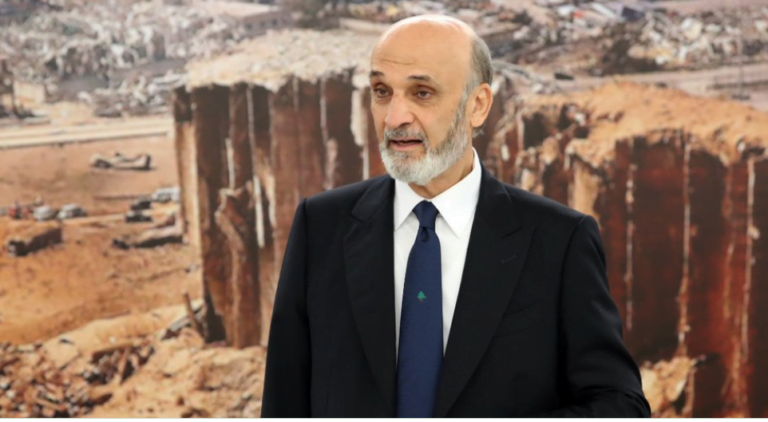
An influential Lebanese politician has urged Hezbollah to help Lebanon, its people and its security and abandon its projects to “spearhead” Iran’s interests in the region.


Lebanese Forces party leader Samir Geagea called on Hezbollah, which continues to hold huge political influence in the country, to “engage in the project of rebuilding the state” and to let the Lebanese government make decisions about “war and peace.”


He said the party must protect the future of the region by putting an end to its “blatant and unjustified external interference in the affairs and concerns of other Arab countries” and to step back from lending help to “the expanding Iranian project that has penetrated the Arab region.”


Geagea made his comments on the evening of Sunday, September 6 at the “Martyrs of the Lebanese Resistance” mass in the mountainous region of Maarib.


He said the current situation was not sustainable. ”Hezbollah cannot continue without changing its trajectory and behavior, or without regulating its relations with the state like any other political party,” he said.


Read More


Also Read: What is behind the hype about the new Iran-China partnership?

Geagea added that the time has come for Hezbollah to work in the service of Lebanon, its people, and its security instead of working for Iran’s interests. “Where do you want the situation in Lebanon to go?” he asked the gathering. “Is there anything worse than what we live in now? Are you waiting for a complete famine or for the Lebanese to die, both old and young? Should they be allowed to die from starvation, disease, suffocation, or on the coast from mysterious explosions?”The Lebanese Forces party leader also clarified that he did not trust the authority leading the investigation into the August 4 explosion in Beirut port, which killed at least 200 people and left thousands homeless. He demanded a transparent and credible international investigation.

What is behind the hype about the new Iran-China partnership?

0
What is behind the hype about the new Iran-China partnership
What is behind the hype about the new Iran-China partnership?


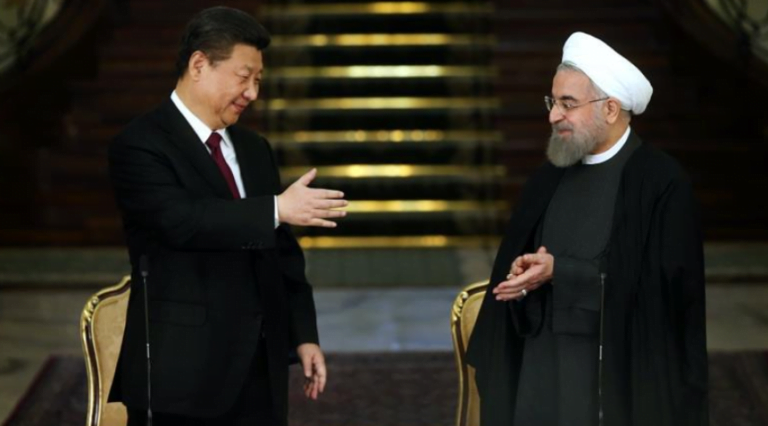
The mainstream US media and think-tanks based along the Washington, DC, beltway have been gripped by two recent momentous developments in the Middle East, both interpreted as escalations in the geopolitical conflict between the US and Iran: the news of a prospective strategic partnership agreement between Iran and China and the normalization of relations between the United Arab Emirates (UAE) and Israel.


In fact, the first development was a media creation. The New York Times (NYT) ran a front-page story citing a “leaked” draft of the 25-year strategic partnership agreement under negotiation between China and Iran since 2016.


It was provocatively headlined: Defying the US, China, and Iran near trade and military partnership.


“The investment and security pact would vastly extend China’s influence in the Middle East, throwing Iran an economic lifeline and creating new flashpoints with the United States,” read the accompanying blurb.


There was no mention of a military partnership in the reported draft agreement, however, and speculation that Iran could lease strategic Gulf islands to China was spread by former-president Mahmoud Ahmadinejad and members of Iran’s parliament suspicious of Beijing’s intentions.


Nonetheless, the NYT headline set the breathless tone for the US media’s coverage of the August 13 establishment of diplomatic relations between Israel and the UAE.


It was not long before the US media was discussing how the UAE-Israel agreement represented the formation of a US-led grand alliance against a new “axis of evil” between Iran, China, and possibly also Turkey.

This echoed earlier US media scoops about confidential negotiations between Israeli and Emirati leaders.


Gripping, is it not?


Well, it is also a disservice to the media’s audiences. There is no grand alliance or “evil axis” – just tentative diplomacy and proxy warfare amid shifts in the balance of power in the Middle East.


Read More


Also Read: Iranian’s strong resistance gives US historic defeat: Iran envoy

Iranian’s strong resistance gives US historic defeat: Iran envoy

0
Iranian’s strong resistance gives US historic defeat Iran envoy
     Iranian’s strong resistance gives US historic defeat: Iran envoy


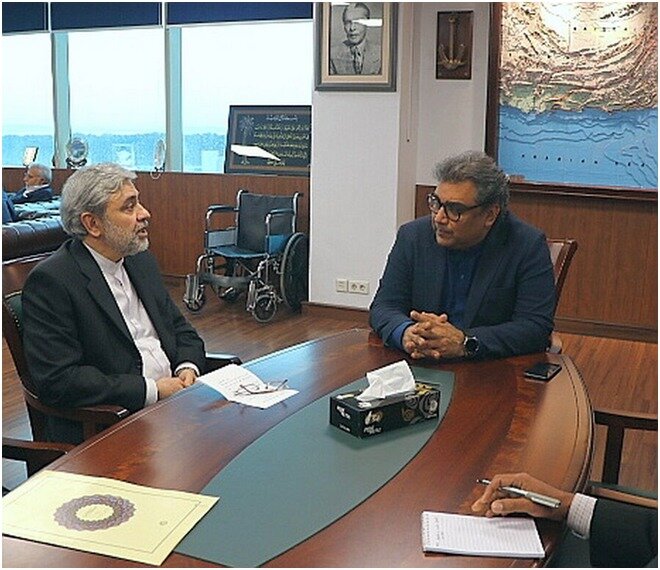
Ambassador of the Islamic Republic of Iran to Pakistan says due to the strong resistance of Iranian nation the US has faced failure in most of its Iran-policy noting the country faced humiliation at UNSC when its attempt to extend an arms embargo on Iran was rejected by other states.


Seyed Mohammad Ali Hosseini was delivering a speech on different aspects of Iran – Pakistan relations at National Defense University in Islamabad.


**Sanctions against Iran


The ambassador said in his speech that the contemporary history of Iran is overflowing with the US unilateral and hegemonic interventions.


“Not going too far, you may have heard the name of Ajax Operation in 1953 which during a coup d’état, Americans overthrew the democratically elected  Prime Minister Mohammad Mosaddegh in favor of strengthening the monarchical rule of the then Shah/ King,” he recalled.


He said in another vain attempt, they tried to suppress the 1979 Islamic Revolution and then weaken it when they couldn’t suppress. “Americans have been wrestling with an Islamic republic of Iran from its very inception in 1979 and imposing a wide range of prolonged and bothersome difficulties to its believers,” added the envoy.


The ambassador stated securitizing Iran’s Peaceful Nuclear Program and referring it to the UNSC that resulted in the intensification of unfair and biased sanctions against my country was the result of their animosity.


“So, Iranians have a negative picture of American interventionism in their internal affairs and suppression of their democratic governments even before the 1979 revolution,” added the diplomat.


He said Iranians perfectly know that Americans always preferred our country to be ruled by their stooges than by an independent administration.


“After 1979 revolution, many options like regime change, proxy wars, terrorist attacks, assassination/martyrdom of Iranian intellectuals and scientists, sanction regimes and so on tried to fail our Islamic- Republican system and force us to succumb to their desire of puppet appointing. And you know that the US has pursued intervention strategy in many other parts of the world,” added the envoy.


Read More


Also Read: Iraqi Kurdistan faces water ‘catastrophe’ as Iran cuts off rivers

Iraqi Kurdistan faces water ‘catastrophe’ as Iran cuts off rivers

0
Iraqi Kurdistan faces water 'catastrophe' as Iran cuts off rivers
Iraqi Kurdistan faces water ‘catastrophe’ as Iran cuts off rivers


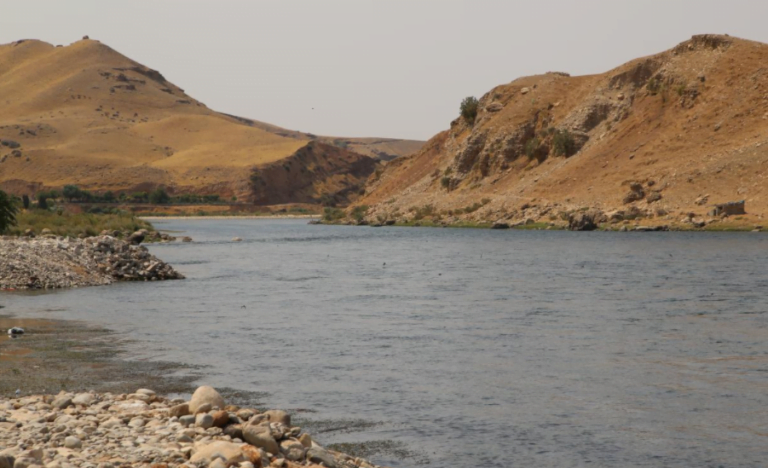
Iraqi Kurdistan has suffered its fair share of water crises over the decades, but experts warn that a catastrophe is now looming large as Iran blocks major water supplies from the region’s two main rivers – the primary sources of livelihood for nearly two million people.


The Sirwan and Little Zab rivers are crucial sources for the two major dams in the region, Darbandikhan and Dukan, and if Iran continues limiting the water flow into Iraq, the consequences will be disastrous for the people and the environment, Darbandikhan’s director Rahman Khani told Middle East Eye.


Iran has been reducing the flow of water to Iraq over the past three years, resulting in agricultural damage and water shortages, but last month Iraqi officials warned that flows coming from northwestern Iran into Sirwan and Little Zab have significantly dropped.


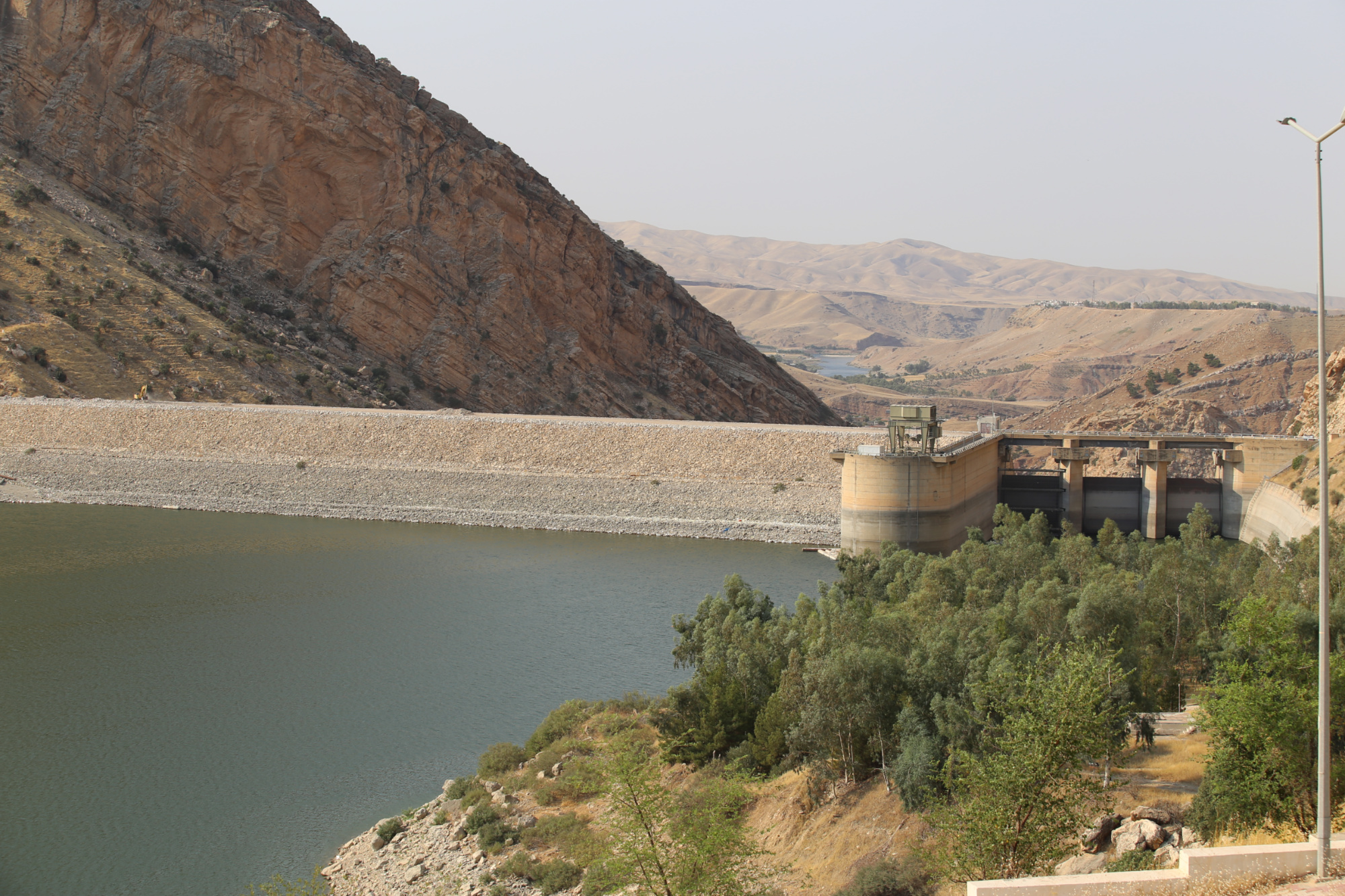
Darbandikhan Dam in northern Iraq

                              Low water level seen in Darbandikhan Dam in northern Iraq (MEE/Dler Abdulla)


Khani said that nearly two million people depend on the rivers that flow through Halabja, Sulaymaniyah, Garmiyan district and Diyala province for agriculture, fishing projects, drinking water, tourism and power production.


“In a couple of years, Iran’s dams projects will not only create a catastrophe that will force people to migrate to other places, but will also have an impact on farmland, wildlife, and tourism,” Khani said.


“What continues life here is opening the reserved water in the dam,” he said, cautioning that they cannot continue to flow water from their reservoir for too long.


Water levels


According to Khani, water levels in Darbandikhan dam are decreasing at a rate of 15cm daily and the water is six metres lower than the same period last year, with Iran limiting the flow by 75 to 80 percent last month.


Darbandikhan dam is located 65 km southeast of Sulaymaniyah and is constructed on the Sirwan river, which springs from the Zagros Mountains in Iran and ends in the Tigris river, southeast of Baghdad.


Read More


Also Read: IAEA Allowed Inspecting A Suspected Nuclear Site In Iran After A Long Stand-off

IAEA Allowed Inspecting A Suspected Nuclear Site In Iran After A Long Stand-off

0
IAEA Allowed Inspecting A Suspected Nuclear Site In Iran After A Long Stand-off
       IAEA Allowed Inspecting A Suspected Nuclear Site In Iran After A Long Stand-off


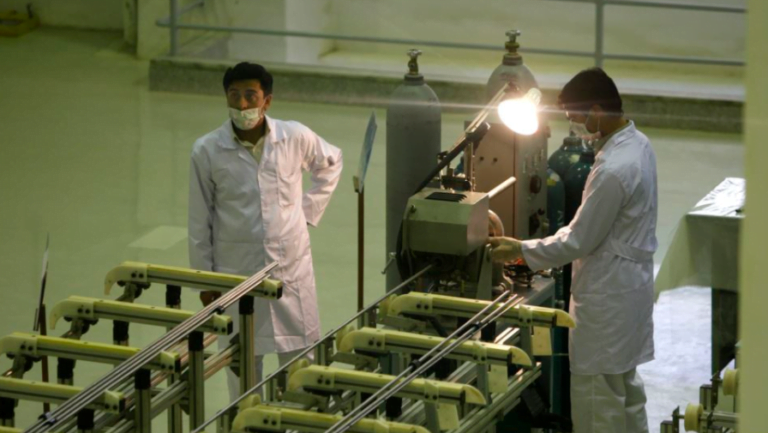
The International Atomic Energy Agency (IAEA) says that its officials have finally inspected one of the two sites that Iran granted the agency access to last week.


In its quarterly report released on Friday, September 4, the United Nations nuclear watchdog said that environmental samples had been taken from the site and will be tested later to see if traces of uranium were found at the location, which the IAEA did not name in its report.


According to the report, IAEA inspectors will visit the second location “later in September 2020 on a date already agreed with Iran, to take environmental samples.”


In a joint statement on Wednesday, August 26, after a two-day visit of the IAEA Director-General to Iran, the two sides announced an agreement over settling inspection issues.


Under the agreement, Iran voluntarily allowed the IAEA to inspect its nuclear activities at “two suspected locations” where production may have occurred. Iran also granted the IAEA permission to facilitate the nuclear verification procedure at the sites, one located “around Shahreza” in Isfahan province and another in the “suburbs of Tehran,” and enhance bilateral cooperation overall.


Read More


Also Read: Swiss FM says visit to Iran aims to expand cooperation

The had been asking for months to inspect the two locations suspected of being used in early 2000 for nuclear activities that Iran previously did not report.International news agencies, including Reuters, noted that previous IAEA reports speculated that the two sites were probably razed to the ground in 2003 and 2004 to destroy uranium traces.On June 19, the IAEA’s Board of Governors in Vienna adopted a resolution proposed by Britain, France, and Germany to reprimand Iran’s nuclear activities and its insistence on barring the  inspectors from visiting the suspected sites. The resolution was the first of its kind in the past eight years.The three European parties in the Joint Comprehensive Plan of Action (JCPOA)’s 2015 nuclear deal between world powers and Iran submitted a draft resolution to the IAEA Board of Governors demanding that Iran grant IAEA inspectors access to the two suspected sites and cooperate fully with the UN nuclear watchdog.

Swiss FM says visit to Iran aims to expand cooperation

0
Swiss FM says visit to Iran aims to expand cooperation
    Swiss FM says visit to Iran aims to expand cooperation


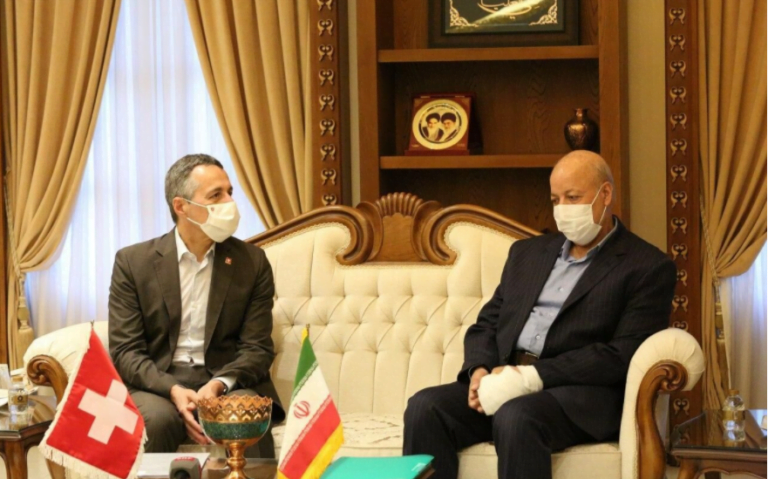
Swiss Foreign Minister Ignazio Cassis said on Sunday that his visit to Iran is preparatory to develop cooperation with Iran in science and tourism.


Cassis arrived in Isfahan on Saturday and met with city officials and academics after having visited some of the tourist attractions of the historical city.


He is scheduled to meet with President Hassan Rouhani, Foreign Minister Mohammad-Javad Zarif, and some other high ranking officials on Sunday and Monday to discuss mutual, regional, and international issues, as well as the financial channel the Swiss Government provided for Iran.


He said that cooperation in tourism and science are the advantages for Iran and Switzerland after the coronavirus outbreak.


The Swiss foreign minister said that political experts believe that it is a chance for Iran to take steps for and also a chance for hostile foreign countries to change their approach toward Iran.


Referring to the difficult economic situation created by the US sanctions, Cassis said that scientific diplomacy is a way for further interaction among the countries to advance peace and understanding.


Read More


Also Read: Iran underlines support to Afghanistan peace process

Thanking the hospitality of the officials and people of Isfahan, he said that he would commemorate the 100 years of mutual relations between Iran and Isfahan in an official meeting in Tehran.He said that relations between the two countries started with signing a peace and trade agreement in late 19th century and have been going on so far, adding that Switzerland has always been seeking peace and tranquility in the region.Referring to the mediation role of Switzerland between Iran and the US, he said that Switzerland tries to establish the minimums of dialog between the two countries.He said that he intended to visit the Iranian historical city of Isfahan, birthplace of Foreign Minister Mohammad Javad Zarif.

Iran underlines support to Afghanistan peace process

0
Iran underlines support to Afghanistan peace process


The Iranian Embassy in Kabul, In a statement on Saturday, announced Tehran’s support to the Republic of Afghanistan and its constitution.


‘”Iran’s principled policy towards Afghanistan is based on supporting the achievements of the country in the last two decades, and accordingly, the Islamic Republic of Iran strongly backs holding presidential elections in Afghanistan,” the embassy said.


“After the elections, Iran did its best to resolve issues among political rivals and establish a common understanding among them,” it added. support 


An Iranian delegation, headed by Ebrahim Taherianfard, the representative of the Iranian Foreign Ministry, traveled to Afghanistan on Thursday.

Referring to the trip, the embassy noted that the trip comes while Afghan peace talks are underway.


Read More


Also Read: Endemic Corruption Renders Iran’s Judiciary Ineffective and Unjust

The delegation held meetings with senior Afghan officials, including the Afghan President, the former president, the acting minister of foreign affairs, the national security adviser, and some other prominent political figures of the Islamic Republic of Afghanistan.”In all these meetings, the unity among the Afghan political forces to protect the named achievements and to protect the fundamental rights of the people of this country as well as the effective and peaceful coexistence among them in the future were emphasized.”Iran’s Deputy Foreign Minister for Political Affairs Abbas Araghchi had also made a trip to Afghanistan in mid-July to follow up on the agreements already reached during a meeting to Tehran by Acting Foreign Minister of Afghanistan Hanif Atmar, especially to finalize the text of a comprehensive cooperation document between the two countries.Speaking at a meeting on the ‘Prospect of Iran-Afghanistan Ties; Challenges and Opportunities’, held in Kabul, Araqchi said various Afghan groups, such as the Taliban, should take part in the process of peace in Afghanistan.

Endemic Corruption Renders Iran’s Judiciary Ineffective and Unjust

0
Endemic Corruption Renders Iran’s Judiciary Ineffective and Unjust
            Endemic Corruption Renders Iran’s Judiciary Ineffective and Unjust


Why has Iran’s judiciary been unable to gain public trust over the last 40 years? What are the basic problems of the institution, the original primary goals of which were to”litigate, protect public rights and implement justice” in order to “uphold individual and social rights”?


In this series, IranWire will look at the structural problems of the judicial branch of government, relying on concrete examples and statements from legal experts to build a picture of the judiciary and whether it functions according to the principles on which it was originally based.


In the first part of the series, IranWire looked at the independence and impartiality of Iran’s judiciary. The second article looked at the protracted trial process, which successive judiciary heads have promised to reform, without success. 


This, the third article, addresses corruption in the judiciary.


“My client was sentenced to death for drug possession. His wife, a young and beautiful woman, was constantly going from building to building, coming and going, following the case.


We tried our best, but we could not get close to the desired result. Then I found out that my client’s wife was completely discouraged from following the case and stopped trying.


Finally, my client was sentenced to a commuted life imprisonment. Later, his wife told me that one afternoon, during a follow-up, the judge asked to have sex with her, and she agreed, to save her husband’s life.


On the advice of a close friend, she recorded the judge’s voice. When she found out that the judge did not keep his promise, she sent the audio file and documents she had in her possession. She forced the judge to cooperate.”


These are the comments of the first lawyer I contacted about corruption in the judiciary. The lawyer still lives in Iran and asked not to be named.


Read More


Also Read: Pakistan keen on highest level of trade with Iran: Pakistani Advisor