Home Blog Page 99

Qassem Soleimani’s Fall And The Battle Inside Iraq To Come – Analysis

0

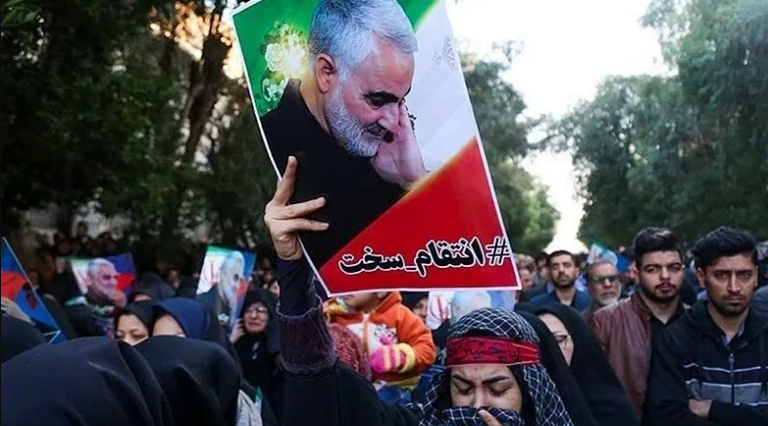
The U.S.’s assassination of Qassem Soleimani on January 3, 2020, sent shockwaves throughout the Middle East.


Some have averred that the notorious Iranian general’s demise (along with the U.S.’s inadvertent killing of Abu Mahdi al-Muhandis, Qassem Soleimani right-hand man in Iraq) has not only “re-established deterrence” against the Tehran regime but potentially and gravely stunted its revolutionary expansionism.


If this, in fact, proves to be the case, then the end of Soleimani may be one of the most strategically consequential events for Iraqis and others under unwanted Iranian pressure since the 2003 U.S. invasion of Iraq.


However, it will be a while before the full implications of Soleimani’s downfall are known. The Middle East is still in a state of upheaval, and the regional contestation for power and influence is still unfolding.


At the same time, the proxy network that Soleimani oversaw is now undergoing a process of reflection and revision.


Thus, years may pass before we can fully appraise the extent to which Soleimani’s network will recover from the loss of its towering patron.


Revolutionary Iran has achieved scores of victories in recent years in multiple conflict arenas—notably in Syria, where Iran’s proxies have secured the survival of the Bashar al-Assad regime.


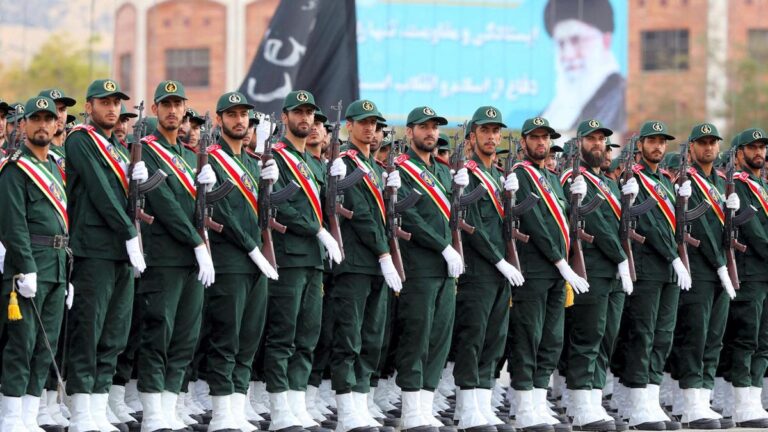
In fact, during the past two decades, Iran’s Islamic Revolutionary Guard Corps (IRGC) has managed to exploit Middle Eastern upheaval and dramatically expand its power for a particular reason.


It has spent the years since the 1979 Islamic Revolution systematically nurturing and dedicating resources to armed groups that enhance the regime’s influence in the region while weakening its rivals.


That amounts to four decades of experience, trial and error, and the perfecting of asymmetric warfare capabilities which Iran’s rivals are still struggling to match.


And General Soleimani, as the leader of the IRGC’s Quds Force, had played a central if not indispensable role in making all this happen.


Read the complete article at NewsNow.com


Also Read: They dream of reaching America. Their forced service in Iran’s Revolutionary Guard locks them out.

They dream of reaching America. Their forced service in Iran’s Revolutionary Guard locks them out.

0

When Mahdis, an America teacher from Southern California, applied for a U.S. visa for her Iranian husband four years ago, she had no idea that his mandatory military service would stand in their way.

But a Trump administration decision two years ago to designate Iran’s Islamic Revolutionary Guard Corps (IRGC) as a terrorist organization has meant that everyone associated with the group, including those like her husband, Arash, who were forced to join it as part of their compulsory service, would no longer be eligible for residency in the United States.


It did not matter that Arash served years before the terrorist designation or that he was assigned a non-combat role, playing clarinet in a marching band.

Earlier this month, the couple received a letter from the State Department telling them his permanent residency visa had been refused, she said.

Hundreds of other Iranian men — some with American wives or family members in the United States — have received similar letters over the past two years or were expecting them soon, according to Mahdis and other relatives who share stories and advice in several online chat groups. America

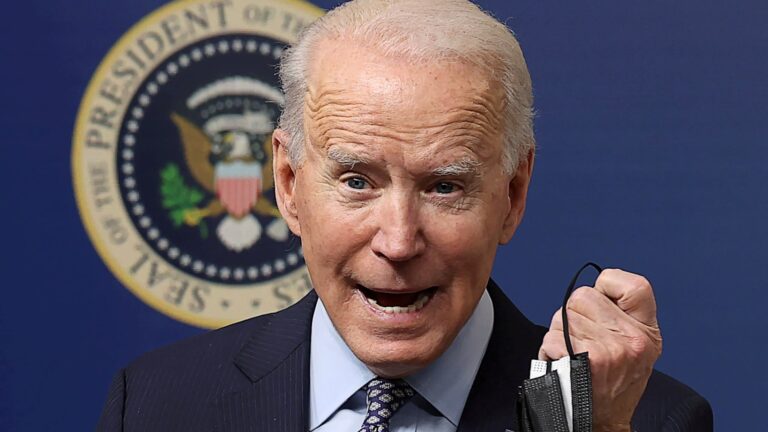
President Biden has signaled his intent to break with Trump’s “maximum pressure” approach toward Iran, which included sweeping sanctions, as the new administration seeks to rejoin the 2015 nuclear deal between Tehran and world powers and bring Iran back into compliance.


But a repeal or revision of the IRGC designation could be politically delicate for Biden, who faces domestic pressure to impose tougher terms on Iran even if the United States rejoins the nuclear agreement.

Under Trump, U.S. officials took a hard line with Iran in part to force it to abandon expansionist military policies in the Middle East, in which the IRGC plays a leading role.

Critics said Trump’s pressure campaign did little to change Iran’s behavior and that some of the punitive measures were counterproductive, overzealous, or unusually broad.

Read the complete article at NewsNow.com


Also Read: Iran: Two Brothers Killed By IRGC In NW

Iran: Two Brothers Killed By IRGC In NW

0

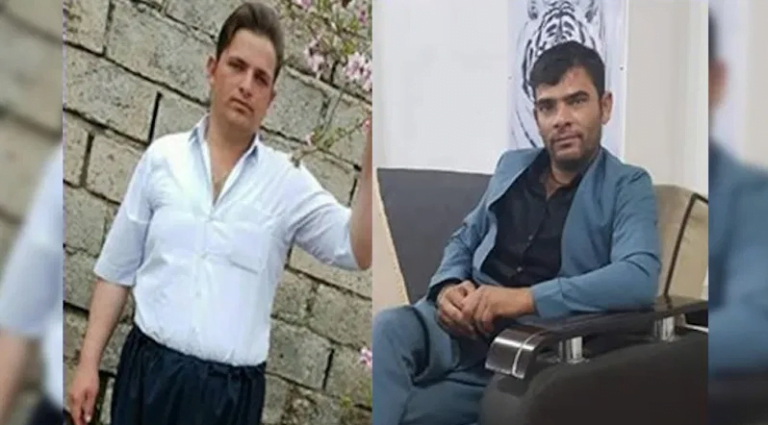
Two brothers were shot and killed in a village road near Piranshahr yesterday, northwestern Iran when Islamic Revolutionary Guards Corps (IRGC) forces opened fire on a car without warning.


According to the Hengaw Organization, the two men killed in the car were identified as Abdollah and Osman Naderi. Their bodies were transferred to Piranshahr.


Abdollah and Osman’s parents, as well as many other relatives, were also detained without any warrant.


The state-run IRIB website claimed the two brothers were “terrorists”, wanting to carry out an “assassination” and were being monitored by the Guards.


The website said the two men had guns and grenades with them. This is while according to local reports, the two men were unarmed and the regime is spreading the “terrorism” charges to prevent locals from protesting their death.


Read the complete article at NewsNow.com


Also Read: HRW Urges Iran To Probe Deadly Shooting On Pakistan Border

This is not an isolated case. Iran’s state forces carry out arbitrary shootings without any legal implications and with impunity. In February alone, there were four cases of arbitrary killing by the regime’s police or security forces. Last week, two men in Sardasht northwestern Iran were shot and killed by security forces yesterday. The two men were dodging bullets when they fell off the cliff and drowned in a river. A Kurdistan news website said the two men were identified as Abubakr Mohammadi, 36-years-old, and Eskandar Mohammad, 35-years-old. Abubakr was married and father to one child and Mohammad was a married father of two.  On February 13, Iranian security forces shot and killed a man and injured another in the impoverished Sistan and Baluchestan province in southeastern Iran. According to the report by the Baloch Campaign website, anti-narcotics agents in Sistan and Baluchestan shot at Qasem Arzi Zehi’s car without initial warning. His car overturned leading to his death.

HRW Urges Iran To Probe Deadly Shooting On Pakistan Border

0

Human Rights Watch called on Iran Friday to investigate a deadly shooting by Revolutionary Guards against smugglers attempting to transport fuel into neighbouring Pakistan for excessive use of force.

Monday’s shooting in the border area near the town of Saravan killed at least 10 people and wounded five, HRW said, citing Baluchi activists.

Iran’s Islamic Revolutionary Guard Corps had blocked a road used to transport fuel before apparently opening fire at people attempting to reopen the route, it added.

The action has prompted attacks by angry protesters on government buildings in both Saravan and the Sistan-Baluchistan provincial capital Zahedan.

“The Iranian authorities should urgently conduct a transparent and impartial investigation into the shootings at the Saravan border,” said HRW Iran researcher Tara Sepehri Far.

Read the complete article at: Barrons


Human Rights Watch called on Iran Friday to investigate a deadly shooting by Revolutionary Guards against smugglers attempting to transport fuel into neighbouring Pakistan for excessive use of force. Monday’s shooting in the border area near the town of Saravan killed at least 10 people and wounded five, HRW said, citing Baluchi activists. Iran’s Islamic Revolutionary Guard Corps had blocked a road used to transport fuel before apparently opening fire at people attempting to reopen the route, it added. The action has prompted attacks by angry protesters on government buildings in both Saravan and the Sistan-Baluchistan provincial capital Zahedan. “The Iranian authorities should urgently conduct a transparent and impartial investigation into the shootings at the Saravan border,” said HRW Iran researcher Tara Sepehri Far. The action has prompted attacks by angry protesters on government buildings in both Saravan and the Sistan-Baluchistan provincial capital Zahedan. “The Iranian authorities should urgently conduct a transparent and impartial investigation into the shootings at the Saravan border,” said HRW Iran researcher Tara Sepehri Far. HRW Urges Iran HRW Urges Iran

US bombs facilities in Syria used by Iran-backed militia

0

The United States launched airstrikes in Syria on Thursday, targeting facilities near the Iraqi border used by Iranian-backed militia groups. The Pentagon said the strikes were retaliation for a rocket attack in Iraq earlier this month that killed one civilian contractor and wounded a U.S. service member and other coalition troops.

The airstrike was the first military action undertaken by the Biden administration, which in its first weeks has emphasized its intent to put more focus on the challenges posed by China, even as Mideast threats persist. Biden’s decision to attack in Syria did not appear to signal an intention to widen U.S. military involvement in the region but rather to demonstrate a will to defend U.S. troops in Iraq.

“I’m confident in the target that we went after, we know what we hit,” Defense Secretary Lloyd Austin told reporters flying with him from California to Washington. Speaking shortly after the airstrikes, he added, “We’re confident that that target was being used by the same Shia militants that conducted the strikes,” referring to a Feb. 15 rocket attack in northern Iraq that killed one civilian contractor and wounded a U.S. service member and other coalition personnel.

Read the complete article at: WJHG


The United States launched airstrikes in Syria on Thursday, targeting facilities near the Iraqi border used by Iranian-backed militia groups. The Pentagon said the strikes were retaliation for a rocket attack in Iraq earlier this month that killed one civilian contractor and wounded a U.S. service member and other coalition troops. The airstrike was the first military action undertaken by the Biden administration, which in its first weeks has emphasized its intent to put more focus on the challenges posed by China, even as Mideast threats persist. Biden’s decision to attack in Syria did not appear to signal an intention to widen U.S. military involvement in the region but rather to demonstrate a will to defend U.S. troops in Iraq. bombs facilities bombs facilities

Joe Biden steps into a high-wire dance with Iran hardliners over nuclear deal

The administration of the new US president, Joe Biden, is squaring up to challenges from home and abroad – with Iran and Afghanistan requiring the most foreign policy attention. It is now clear that the US wants to salvage the Iran nuclear deal following Trump’s unilateral withdrawal in 2018.

Saving the Joint Comprehensive Plan of Action (JCPOA) would likely be approved by three of the five participants – Germany, France and the UK – while the other two, China and Russia, would be unlikely to object. There may be opposition in the US to saving the deal, but it’s Iran’s attitude that really counts.

This is especially pertinent as Iran’s relatively moderate president, Hassan Rouhani, wants an agreement against the wishes of the hardline IRGC (Islamic Revolutionary Guard Corps) and conservative religious leaders. This would be difficult to achieve in the best of times, but particularly since a presidential election looms in June, which Rouhani cannot stand in. The deal must either be cemented before then, or the future of the whole JCPOA apparatus will be delayed until after the election.

Read the complete article at: Open Democracy


The administration of the new US president, Joe Biden, is squaring up to challenges from home and abroad – with Iran and Afghanistan requiring the most foreign policy attention. It is now clear that the US wants to salvage the Iran nuclear deal following Trump’s unilateral withdrawal in 2018. Saving the Joint Comprehensive Plan of Action (JCPOA) would likely be approved by three of the five participants – Germany, France and the UK – while the other two, China and Russia, would be unlikely to object. There may be opposition in the US to saving the deal, but it’s Iran’s attitude that really counts. This is especially pertinent as Iran’s relatively moderate president, Hassan Rouhani, wants an agreement against the wishes of the hardline IRGC (Islamic Revolutionary Guard Corps) and conservative religious leaders.  Iran hardliners Iran hardliners

UK government criticized for failure to designate IRGC as terrorist group

UK authorities were criticized for failing to designate Iran’s Islamic Revolutionary Guard Corps as a terrorist group despite the “pain and suffering” it has caused in the Middle East.

Tom Tugendhat, chairman of parliament’s foreign affairs committee, said it was disappointing the government had not offered an alternative to the 2015 nuclear deal between Iran and world powers, an agreement from which the US withdrew under Donald Trump’s presidency.

Mr. Tugendhat referred to the government’s response to the committee’s report on Iran, published in December, in which MPs called for the IRGC to be designated as a terrorist group. The report said its “philosophy and malign actions within Iran and across the region run counter to the interests of the UK and those of the Iranian people”.

The UK government pointed out that the IRGC was under sanction but refused to say whether proscribing the group was under consideration.

“Unfortunately, although receptive to the recommendations of the committee, the government falls short of making concrete commitments,” Mr. Tugendhat said.

“The IRGC’s actions consistently meet the criteria of a terrorist organization. Their role sowing the seeds of instability and causing pain and suffering throughout the region should not be ignored. I remain hopeful that the government will follow our recommendation on the proscription of the IRGC.”

The report recommends a long-term replacement to the 2015 accord, officially known as the Joint Comprehensive Plan of Action, introduced to limit Iran’s nuclear capabilities.

Since Mr. Trump withdrew the US in 2018 and imposed sanctions on Iran, Tehran has responded by breaking the conditions of the deal repeatedly, raising questions over its long-term viability.

Mr. Trump’s successor Joe Biden signaled the US would return to the deal should Iran be prepared to comply.

The UK government rejected claims it wanted to “replace” the accord, but said it was “not perfect” and “not designed to address the full spectrum of regional security issues”.

Read complete article at: MENA

Also read: Two civilians killed by IRGC forces in northwest Iran

Biden Orders Missile Strike on Iran-backed Militia in Syria

0

According to officials, the airstrike was carried out on Thursday and hit a structure belonging to an Iran-backed militia. The sources also told Reuters that US President Joe Biden authorized the strike in Syria.

Another official, speaking to POLITICO, said the strike was intended to damage the militia group’s ability to conduct future attacks.

It comes as an apparent response to three separate rocket strikes against US soldiers stationed in Iraq.

Last week, an Iran-backed militia Awliyaa al-Dam, claimed responsibility for an attack on a US airbase in Iraq.

Rockets were fired at the airbase hosting US troops in Erbil, killing a contractor and leaving nine others injured.

Mr Biden had previously indicated the US will seek to restart their nuclear deal with Iran, after previous President Donald Trump walked away from the agreement in 2018.

The 2015 Joint Comprehensive Plan of Action, signed by the US and Iran along with five other world powers, limited Tehran’s uranium enrichment to 3.67 percent.

However, the US President had insisted he would not re-enter talks with Iran unless they agree to reimpose limits and restrictions.

US National Security Adviser Jake Sullivan said to CBS this week: “It is Iran that is isolated diplomatically now, not the United States, and the ball is in their court.”

It follows the United Nations stating Iran carried out multiple human rights violations last year, when Tehran’s military shot down Ukraine International Airlines Flight 752 on January 8 2020.

The Islamic Revolutionary Guard killed 176 people by downing the plane, and admitted they had mistaken it for a missile.

The attack followed the US carrying out an airstrike on Iranian General Qassem Soleimani, a top military official, which sparked outrage in Tehran to Washington.

Agnes Callamard, UN Special Rapporteur on extrajudicial, summary or arbitrary executions, said in a letter sent two months ago but published Tuesday: “The inconsistencies in the official explanations seem designed to create a maximum of confusion and a minimum of clarity.”

Read complete article at: EXPRESS

Also read: Biden: US must address Iran’s ‘destabilizing activities’


Iran has been holding French national since May 2020, foreign ministry confirms

France’s foreign ministry confirmed Wednesday that a French national was detained in Iran in May 2020 and that authorities are “attentively following the situation of our fellow national”.

The ministry added that the French national was under consular protection and that the embassy in Tehran was in regular contact with him.

A lawyer for the man, Saeid Dehghan, told the Associated Press he had met with his client three times, the latest less than a month ago, adding that he is in good health and good spirits, particularly after having spoken by phone with his family.

“His name is Benjamin and he is being held at the Vakilabad prison in the city of Mashhad. He was detained nine months ago and he faces contradictory and baseless charges,” said Dehghan, who declined to give the man’s full name.

Read the complete article at: France 24


France’s foreign ministry confirmed Wednesday that a French national was detained in Iran in May 2020 and that authorities are “attentively following the situation of our fellow national”.    The ministry added that the French national was under consular protection and that the embassy in Tehran was in regular contact with him.  A lawyer for the man, Saeid Dehghan, told the Associated Press he had met with his client three times, the latest less than a month ago, adding that he is in good health and good spirits, particularly after having spoken by phone with his family.   “His name is Benjamin and he is being held at the Vakilabad prison in the city of Mashhad. He was detained nine months ago and he faces contradictory and baseless charges,” said Dehghan, who declined to give the man’s full name. “His name is Benjamin and he is being held at the Vakilabad prison in the city of Mashhad. He was detained nine months ago and he faces contradictory and baseless charges,” said Dehghan, who declined to give the man’s full name.

IAEA inspectors find new evidence of Iran’s undeclared nuclear work

0

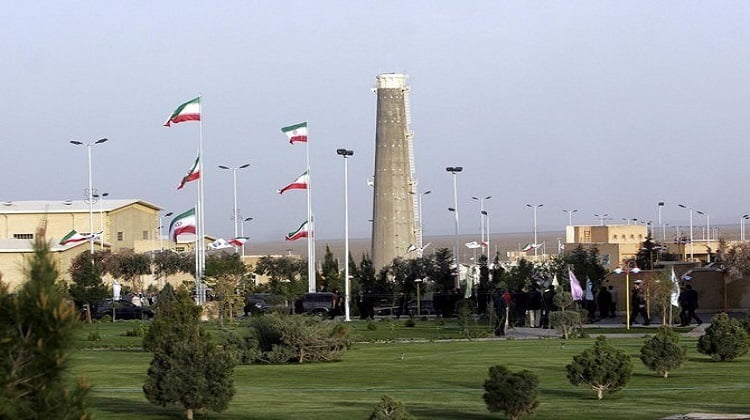
UN inspectors have unearthed fresh evidence that Iran had undertaken work on nuclear weapons without declaring such activities, the Wall Street Journal reported on Saturday.

“Samples taken from two sites during inspections in the fall by the U.N.’s International Atomic Energy Agency (IAEA) contained traces of radioactive material,” the report said, quoting diplomats briefed on the discovery.

While the diplomats said they didn’t know the exact nature of what was found, the discovery raises new questions about the scope of Iran’s nuclear ambitions, it added.

Tehran has repeatedly asserted that its nuclear program was for peaceful purposes such as generating energy, but it has blocked IAEA inspectors from checking suspected sites.

Read the complete article at: Arab News


UN inspectors have unearthed fresh evidence that Iran had undertaken work on nuclear weapons without declaring such activities, the Wall Street Journal reported on Saturday. “Samples taken from two sites during inspections in the fall by the U.N.’s International Atomic Energy Agency (IAEA) contained traces of radioactive material,” the report said, quoting diplomats briefed on the discovery. While the diplomats said they didn’t know the exact nature of what was found, the discovery raises new questions about the scope of Iran’s nuclear ambitions, it added. Tehran has repeatedly asserted that its nuclear program was for peaceful purposes such as generating energy, but it has blocked IAEA inspectors from checking suspected sites.  “Samples taken from two sites during inspections in the fall by the U.N.’s International Atomic Energy Agency (IAEA) contained traces of radioactive material,” the report said, quoting diplomats briefed on the discovery. While the diplomats said they didn’t know the exact nature of what was found, the discovery raises new questions about the scope of Iran’s nuclear ambitions, it added. Tehran has repeatedly asserted that its nuclear program was for peaceful purposes such as generating energy, but it has blocked IAEA inspectors from checking suspected sites.